What the absurd differences in the long runs reveal about Verstappen and Mercedes

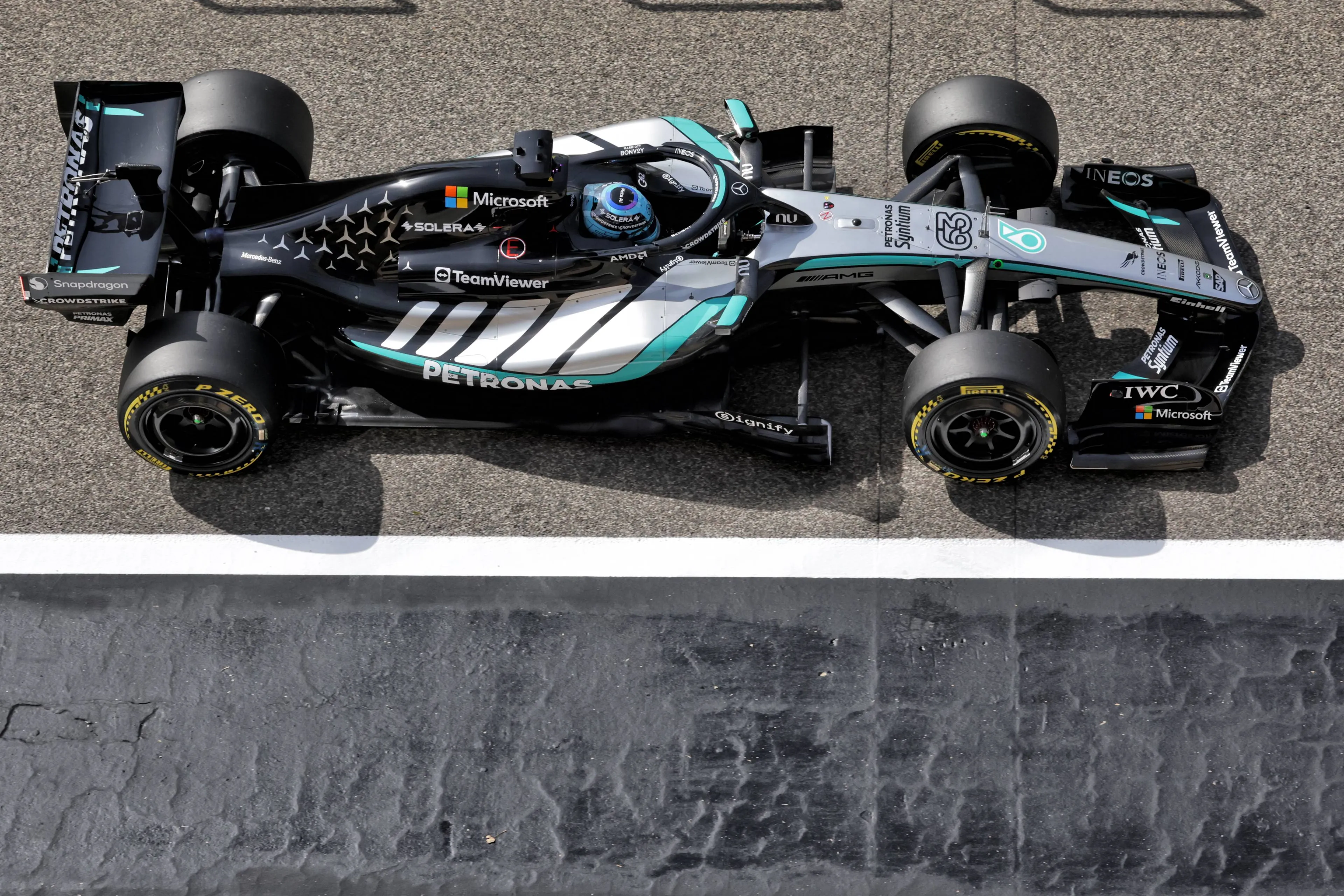
The second week of testing in Bahrain is over, and Mercedes seems to have completely turned the tide. For the third day in a row, the Silver Arrows look hugely impressive on the long runs.
On days four and five in Bahrain, the data already showed that the Mercedes drivers could handle the W17 better than last week. Whereas Max Verstappen was over a second faster per long run in the first test week, Mercedes has now taken back the favorites tag.
From Friday’s run plans, it appears that Red Bull had completely different priorities than Mercedes. Isack Hadjar, who drove in the morning session, did very short long runs and focused on other things for the rest. In the afternoon, Verstappen ran a different plan again.
Antonelli makes a big impression
Antonelli ran on the C3, Piastri on the C2, and Leclerc on the C4 tyres. The young Italian once again emerged as the faster driver, similarly to Wednesday. Of the frontrunners, only Leclerc really comes close. On the C2 tyre, Leclerc is even a bit quicker than Antonelli on the C3.
As usual when analyzing long runs, we have to keep in mind that we don’t know the fuel load or which engine modes the teams were running. In the table below.
Long runs - Morning session:
| Lap | HAD (C3) | ANT (C3) LR1 | ANT (C3) LR2 | PIA (C3) | LEC (C3) | LEC (C2) LR1 | LEC (C2) LR2 | PIA (C4) |
| 1 | 1:39.326 | 1: 36.716 | 1: 37.789 | 1: 39.817 | 1: 38.680 | 1: 38.435 | 1: 37.196 | 1: 39.429 |
| 2 | 1:38.987 | 1: 37.207 | 1: 37.072 | 1: 43.688 | 1: 38.427 | 1: 38.957 | 1: 36.705 | 1: 39.594 |
| 3 | 1:39.024 | 1: 36.696 | 1: 37.091 | 1: 39.823 | 1: 39.660 | 1: 38.370 | 1: 38.689 | 1: 39.282 |
| 4 | 1:39.392 | 1: 36.828 | 1: 36.989 | 1: 39.693 | 1: 38.492 | 1: 38.562 | 1: 36.403 | 1: 39.277 |
| 5 | 1:39.192 | 1: 36.894 | 1: 37.034 | 1: 39.508 | 1: 38.940 | 1: 38.718 | 1: 36.416 | 1: 39.837 |
| 6 | x | 1: 36.878 | 1: 37.386 | 1: 39.916 | 1: 38.882 | 1: 38.824 | 1: 36.856 | 1: 39.826 |
| 7 | 1:39.814 | 1: 36.684 | 1: 37.348 | 1: 39.963 | 1: 38.914 | 1: 38.650 | 1: 36.954 | 1: 39.966 |
| 8 | 1:39.637 | 1: 37.027 | 1: 38.107 | 1: 40.254 | 1: 39.141 | 1: 38.581 | 1: 37.005 | 1: 40.055 |
| 9 | 1:39.539 | 1: 36.778 | 1: 37.449 | 1: 40.324 | 1: 39.808 | 1: 38.663 | 1: 37.161 | 1: 40.060 |
| 10 | 1:39.700 | x | 1: 40.732 | 1: 39.445 | 1: 38.896 | 1: 37.140 | 1: 40.581 | |
| 11 | 1:40.436 | 1: 36.826 | 1: 41.093 | x | 1: 38.560 | 1: 37.262 | 1: 40.924 | |
| 12 | 1:40.376 | 1: 36.767 | 1: 41.182 | 1: 37.552 | 1: 38.415 | 1: 37.486 | 1: 40.585 | |
| 13 | 1: 36.656 | 1: 37.283 | 1: 39.241 | 1: 37.537 | 1: 42.110 | |||
| 14 | 1: 37.579 | 1: 38.547 | ||||||
| 15 | 1: 36.794 | 1: 37.521 | ||||||
| 16 | 1: 36.765 | 1: 37.603 | ||||||
| 17 | 1: 37.038 | 1: 38.467 | ||||||
| 18 | 1: 37.254 | 1: 37.822 | ||||||
| 19 | 1: 37.611 | |||||||
| Average | 1:39.584 | 1:36.944 | 1:37.363 | 1:40.499 | 1:38.540 | 1:38.683 | 1:37.139 | 1:40.117 |
On the medium tyre, Antonelli is nearly two seconds faster than Leclerc and even three seconds faster than Hadjar. The displayed averages even suggest that Piastri is four seconds down on Antonelli, although that’s a huge gap. Leclerc’s second long run on the C2 is faster than Antonelli’s runs, though the difference is only two tenths.
Antonelli did his long runs until around 10:15 a.m., after which he was in the garage with an issue. Reliability still seems to be a minor headache for Mercedes.
Verstappen focused on completely different things
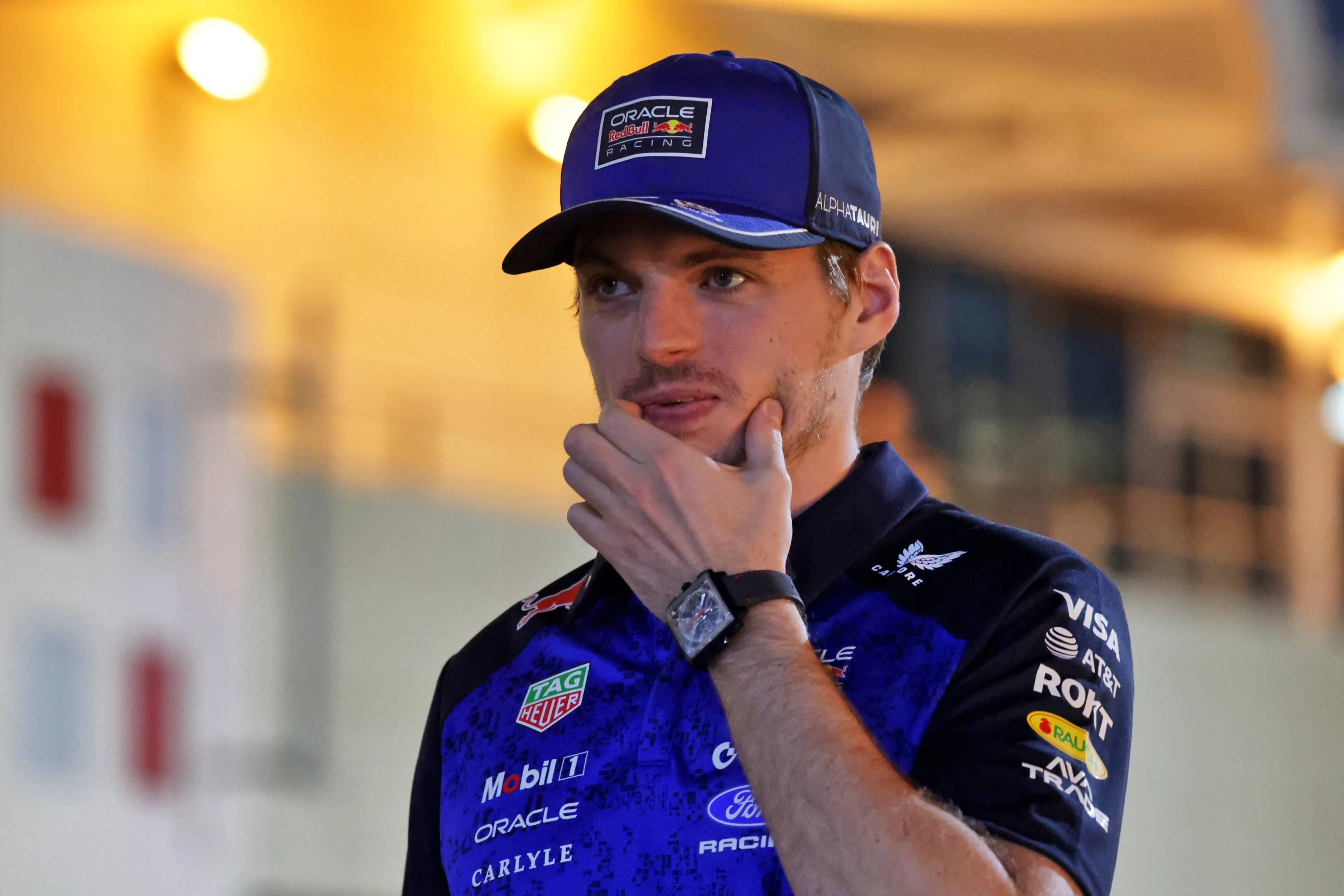
In the afternoon, Verstappen took over from Hadjar. He did run a few long runs in the RB22, but mainly shorter stints than Russell and Lando Norris. Once again, the gap between Red Bull and Mercedes is large. The Austrian team opted for three shorter runs, while Mercedes went for four extended ones.
The difference between Verstappen and Russell is therefore considerable. Russell’s second long run on the C3 tyre was no less than two seconds faster than Verstappen’s. Again, that is a very large gap (that doesn’t look realistic). Norris was also a little faster than Verstappen on the C3 tyre.
| Lap | VER (C3) | RUS (C3) LR1 | RUS (C3) LR2 | NOR (C3) | LEC (C3) | RUS (C4) | NOR (C2) |
| 1 | 1: 38.428 | 1:37.658 | 1:36.875 | 1:39.387 | 1:36.577 | 1:35.936 | 1: 38.070 |
| 2 | 1: 38.855 | 1:37.807 | 1:37.181 | 1:39.226 | 1:36.858 | 1:35.777 | 1: 37.920 |
| 3 | 1: 38.674 | 1:38.108 | 1:36.834 | 1:39.013 | 1:37.227 | 1:35.918 | 1: 37.623 |
| 4 | 1: 39.708 | 1:38.183 | 1:36.893 | 1:38.770 | 1:37.626 | 1:35.910 | 1: 37.689 |
| 5 | 1: 39.561 | 1:38.770 | 1:37.132 | 1:38.886 | 1:36.134 | 1: 37.530 | |
| 6 | 1: 39.678 | 1:38.882 | 1:37.412 | 1:38.711 | 1:36.506 | 1: 38.019 | |
| 7 | 1: 39.106 | 1:38.676 | 1:38.956 | 1:38.787 | 1:36.601 | 1: 37.907 | |
| 8 | 1: 39.450 | 1:38.440 | 1:37.295 | 1:38.816 | 1:36.588 | 1: 38.732 | |
| 9 | 1: 39.537 | x | 1:37.554 | 1:38.929 | 1: 38.366 | ||
| 10 | x | 1:38.057 | x | 1:39.004 | 1: 38.565 | ||
| 11 | 1: 39.320 | 1:37.467 | 1:36.842 | 1:40.342 | 1: 38.291 | ||
| 12 | 1: 38.962 | 1:37.593 | 1:36.603 | 1: 38.802 | |||
| 13 | 1: 38.852 | 1:37.531 | 1:36.495 | 1: 39.017 | |||
| 14 | 1: 39.138 | 1:37.903 | 1:36.455 | 1: 39.833 | |||
| 15 | x | 1:37.792 | 1:36.722 | 1: 38.799 | |||
| 16 | 1: 39.729 | 1:37.988 | 1:36.660 | ||||
| 17 | 1: 39.432 | 1:37.949 | 1:36.890 | ||||
| 18 | 1: 39.531 | ||||||
| 19 | 1: 39.710 | ||||||
| Average | 1:39.157 | 1:37.925 | 1:37.050 | 1:39.079 | 1:37.072 | 1:36.171 | 1:38.344 |
Leclerc spent the whole day behind the wheel for Ferrari and ran many long runs in the morning. In the afternoon he mainly switched to qualifying runs, but he did a very short four-lap run. That run is listed in the table above, but due to its length it is not highly representative.
Russell also ran on the C4 tyre in the afternoon, while Norris continued on the C2 tyre right up to the checkered flag. Both stints looked consistent. Since the other drivers didn’t run those compounds in the afternoon, it’s difficult to compare those stints.
In any case, it appears that Red Bull followed a completely different plan than Mercedes and Ferrari. As mentioned, that also makes it difficult to assess the long runs. The teams now have two weeks to analyze the data before the season really gets underway in Melbourne.
Poll
Read also







Popular on GPBlog

'Lando Norris splits from Portuguese supermodel girlfriend'
Hamilton sidelined as Verstappen skips session on final day in Bahrain
F1 LIVE | Leclerc tops the timesheet, reactions to the final day of Bahrain testing