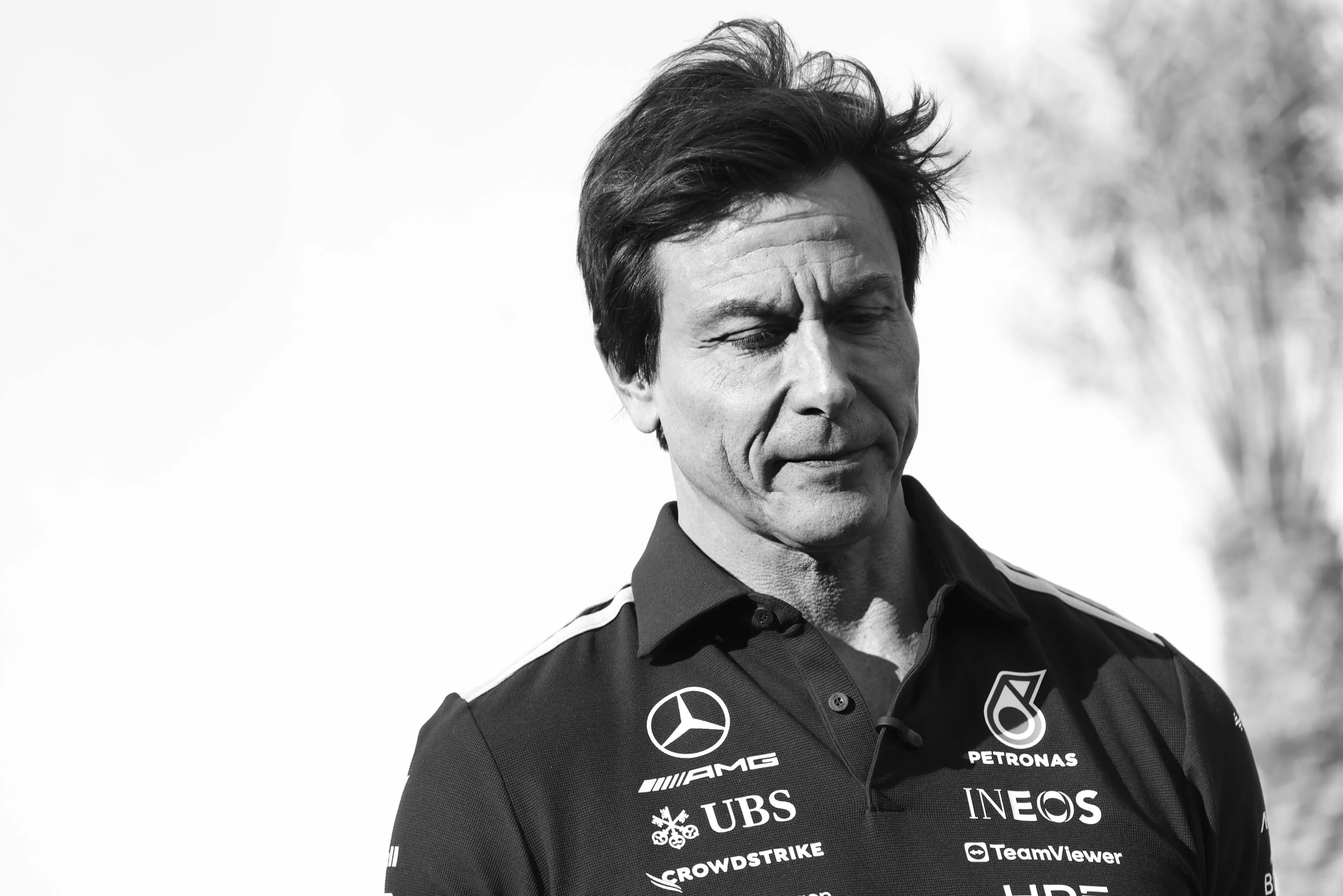

Toto Wolff’s achievements at Mercedes are beyond dispute. As one of Formula 1’s most successful team principals, he did not simply inherit a winning machine he helped build a dynasty.
Between 2014 and 2020, Mercedes became the benchmark of excellence, collecting eight consecutive constructors’ championships and rewriting the sport’s record books. Under Wolff’s leadership, Lewis Hamilton became a serial world champion and the team operated with an authority rarely seen in modern F1.
Yet Formula 1 has a short memory. Success buys credit, but only temporarily. However impressive Wolff’s CV remains, he now finds himself under genuine scrutiny, and for the first time in years, the pressure is starting to show.
Mercedes struggled with the 2022 rule change
Mercedes’ dominance in the turbo-hybrid era was no accident. When the sweeping power unit regulations arrived in 2014, the team’s High Performance Powertrains (HPP) division delivered an engine package that was not just powerful, but reliable and efficient. It gave Mercedes a decisive early advantage that rivals spent years trying to close.
That foundational excellence allowed Wolff to manage from a position of strength, overseeing a team that rarely put a foot wrong. But the sport moves on. The ground-effect regulation overhaul in 2022 marked the first true reset since 2014 and this time, Mercedes stumbled.
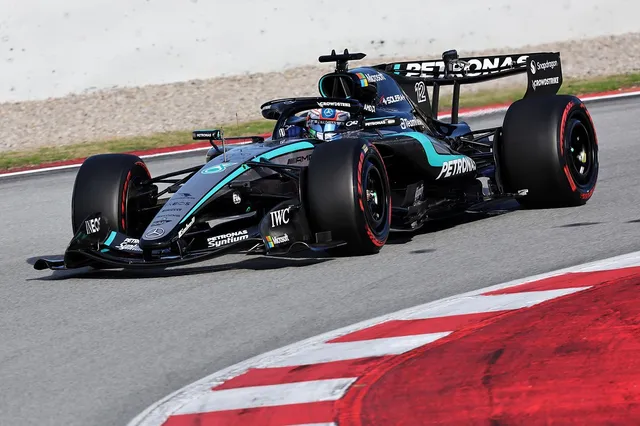
The “zero-pod” concept will go down as one of the boldest and most flawed design philosophies of the modern era. While rivals adapted quickly to the return of ground-effect aerodynamics, Mercedes struggled to understand and control the violent porpoising that plagued its car.
The images were uncomfortable: Lewis Hamilton climbing gingerly from the cockpit, nursing a bruised back and headaches after punishing races. A team once defined by precision and clarity of direction appeared confused, chasing solutions that failed to materialise.
Under Wolff’s watch, Mercedes persisted with a concept that proved fundamentally uncompetitive. It was not a single misstep but a succession of misjudgements and false dawns, upgrades that failed to deliver, and public acknowledgements that the team had “got it wrong.” The failures were damaging.
Outdone by the team's customers
Perhaps most symbolic of Mercedes’ recent struggles was the rise of its own customers. McLaren, powered by Mercedes engines, surged back to the front and secured consecutive constructors’ titles. While that success underlined the continued strength of the HPP division, it inevitably raised awkward questions.
How could a customer team outmanoeuvre the works outfit so convincingly? For Wolff, that dynamic demands uncomfortable introspection. The power unit — once the foundation of dominance — remains competitive. The chassis and aerodynamic direction, however, have faltered. In a sport where integration is everything, being beaten by your own customer is not merely embarrassing, it highlights internal imbalance.
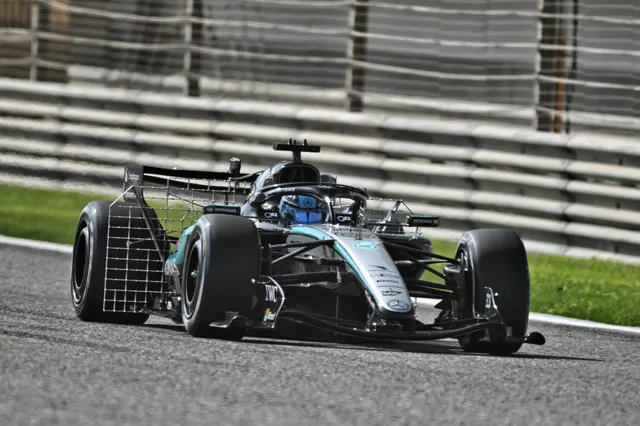
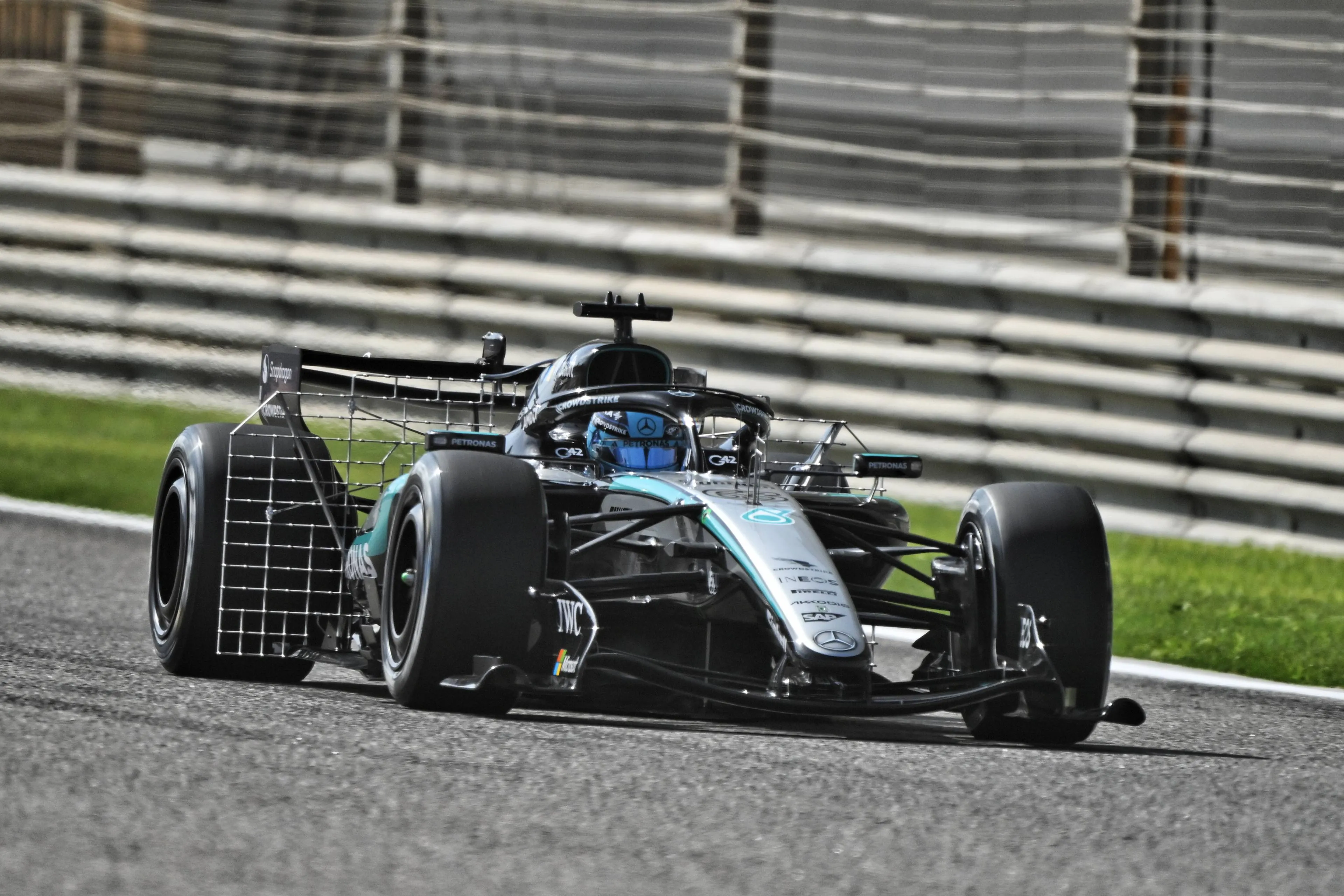
Now, as Formula 1 approaches another seismic shift in 2026 with new power unit regulations, Wolff once again stands at a crossroads. The new rules promise a rebalancing of hybrid and electrical power, greater sustainability, and fresh technical interpretations. History suggests Mercedes should relish such resets. But the atmosphere this time feels different.
Recent murmurs in the paddock suggesting Mercedes may be exploiting grey areas around compression ratios and engine temperature measurement have cast Wolff back into a familiar role: the man defending his team against rival accusations.
It echoes 2020, when Mercedes’ dual-axis steering (DAS) system prompted uproar. That innovation was legal for the season, yet swiftly outlawed for the next after political pressure from competitors.
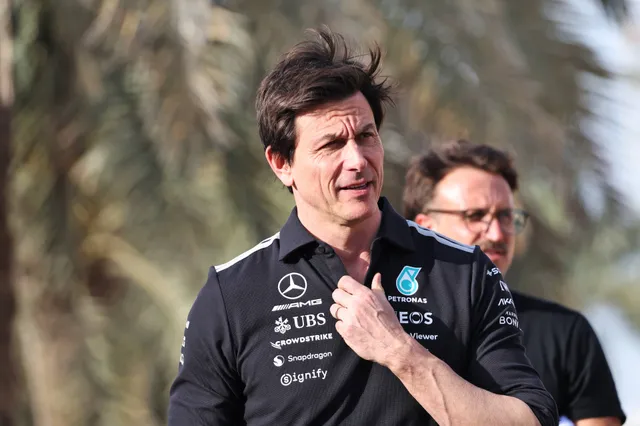
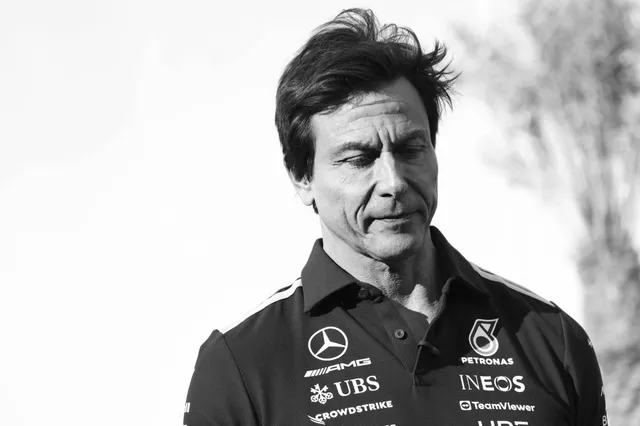
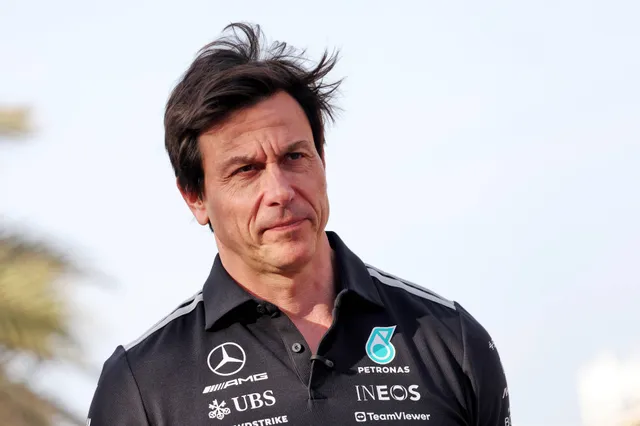
Wolff understands the theatre of Formula 1 politics. He has thrived in it before. But there is a subtle shift in tone. In Bahrain, as he faced questions about Mercedes’ supposed advantage, there was a hint of defensiveness. He deflected by suggesting Red Bull held the upper hand. Was it an honest assessment? Or was it calculated narrative management and a strategic attempt to redirect scrutiny?
The difference between 2014 and now is significant. Back then, Wolff was a highly influential team principal. Today, he is co-owner. The stakes are personal as well as professional. Delivering a competitive car under the 2026 regulations is not simply about restoring pride; it is about safeguarding his long-term investment and legacy.
Wolff’s reputation was forged in dominance. He was the calm orchestrator of excellence, the corporate strategist who fused technical brilliance with disciplined management. But rebuilding is a different challenge from ruling. It demands clarity of vision, ruthless decision-making, and the humility to admit when the organisation has lost its edge.
Can Mercedes get back to the top?
There is no question Wolff remains one of the sport’s most formidable figures. Yet Formula 1 is entering a new era defined by hungry rivals, shifting alliances, and compressed performance margins. McLaren have momentum. Red Bull remain technically sharp. Ferrari sense opportunity.
The next regulation cycle will define the second half of Wolff’s career. And he needs to take the team back to the top. Make no mistake: Mercedes’ struggles have not erased its foundations. The infrastructure remains elite. The engine department is proven. The leadership experience is vast, so why would Wolff take the time to talk up his rivals?
Pressure in Formula 1 is relentless and cumulative and builds with repeated near-misses, with customer teams celebrating titles and when technical gambles fail. Wolff is not defending dominance but fighting to reclaim it.
Put simply, the team has to be in contention when the lights go out at the opening race in Melbourne, otherwise it could spell more uncomfortable questions for the Mercedes boss as to why his team are no longer at the front and ultimately, the longer it goes on, whether he is the man to take them back to the top.
Read also

Popular on GPBlog

'Antonelli loses driver’s licence after road crash' — here’s what it means for his F1 career
F1 LIVE | Bahrain test day two reactions as Verstappen slams 2026 regulations
Norris fires back at Verstappen over F1 rules: 'If he wants, he can retire'