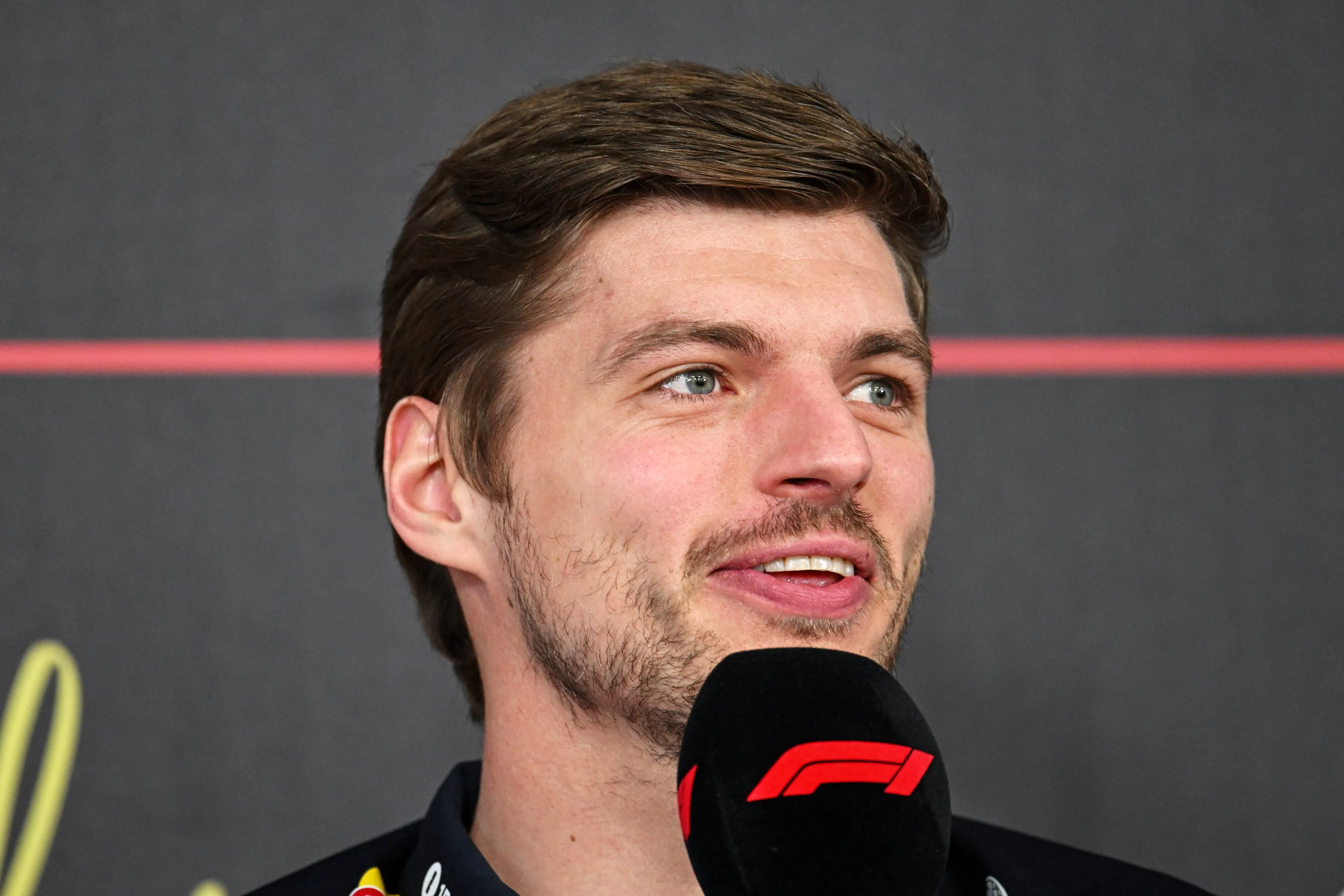

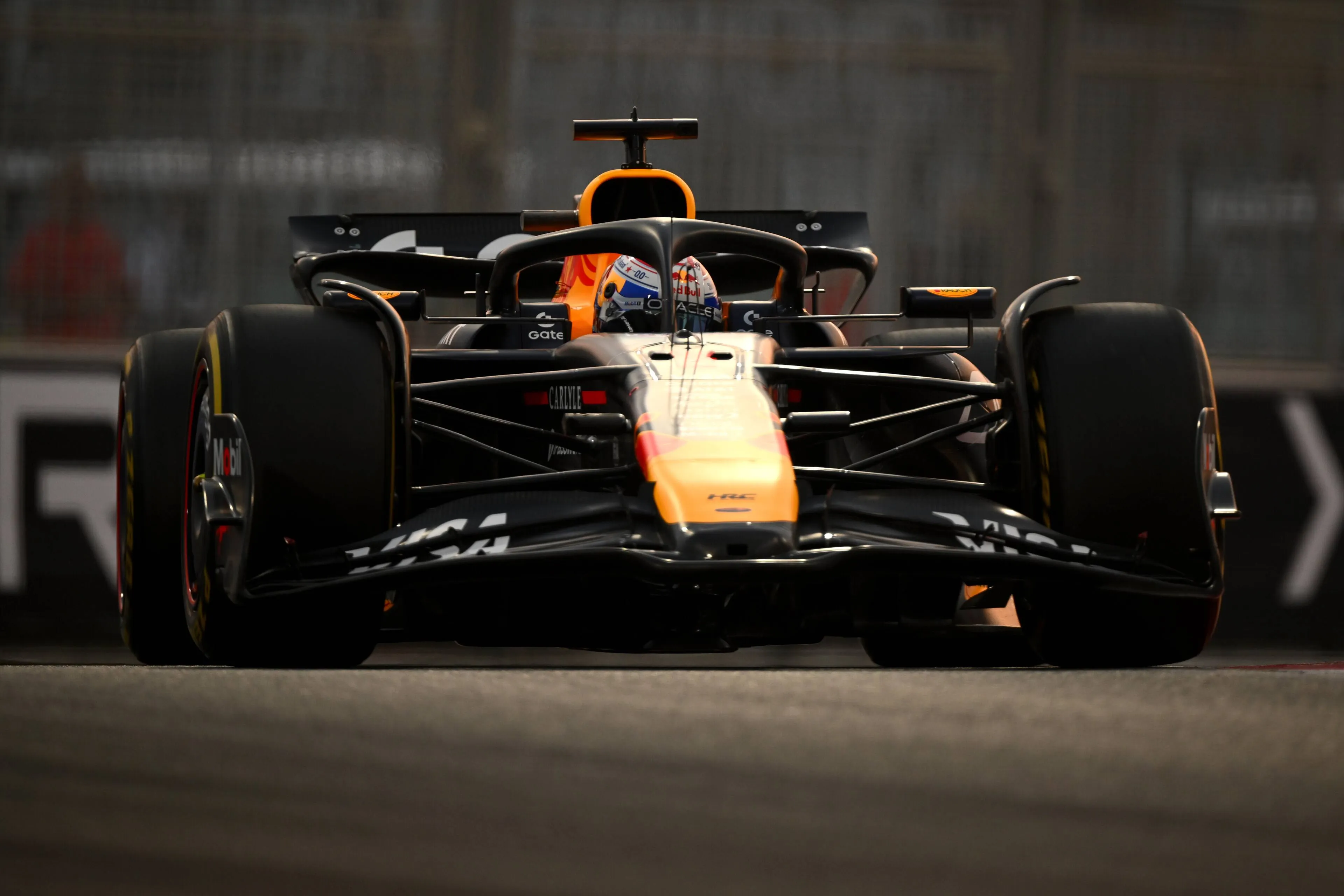
Max Verstappen thinks that the majority of Formula 1 drivers share his criticism of the new 2026 cars, but emphasises that not everyone expresses it as strongly. The FIA, however, claims the opposite and states that most drivers are satisfied with the new cars.
In the F1 paddock in Bahrain, a picture has emerged of two camps: drivers who get little enjoyment from the new generation of cars, and others who say they find them a fun challenge. Lando Norris belongs to the latter group and—after being confronted with Verstappen’s criticism—said he actually finds driving these cars immensely enjoyable.
“It’s more like a small easy-up tent, with the rest in a big tent. It’s a small camp and a very large camp.”- Max Verstappen
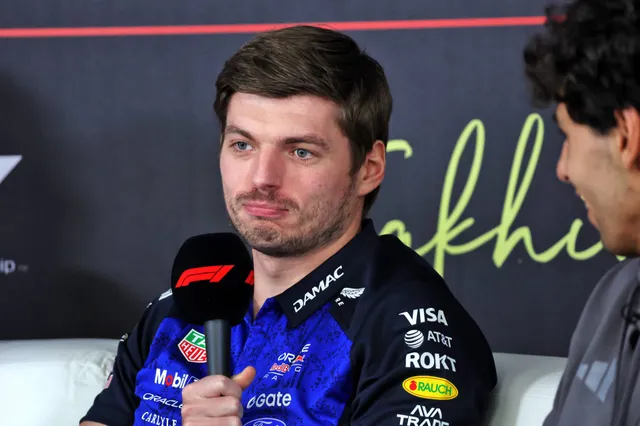
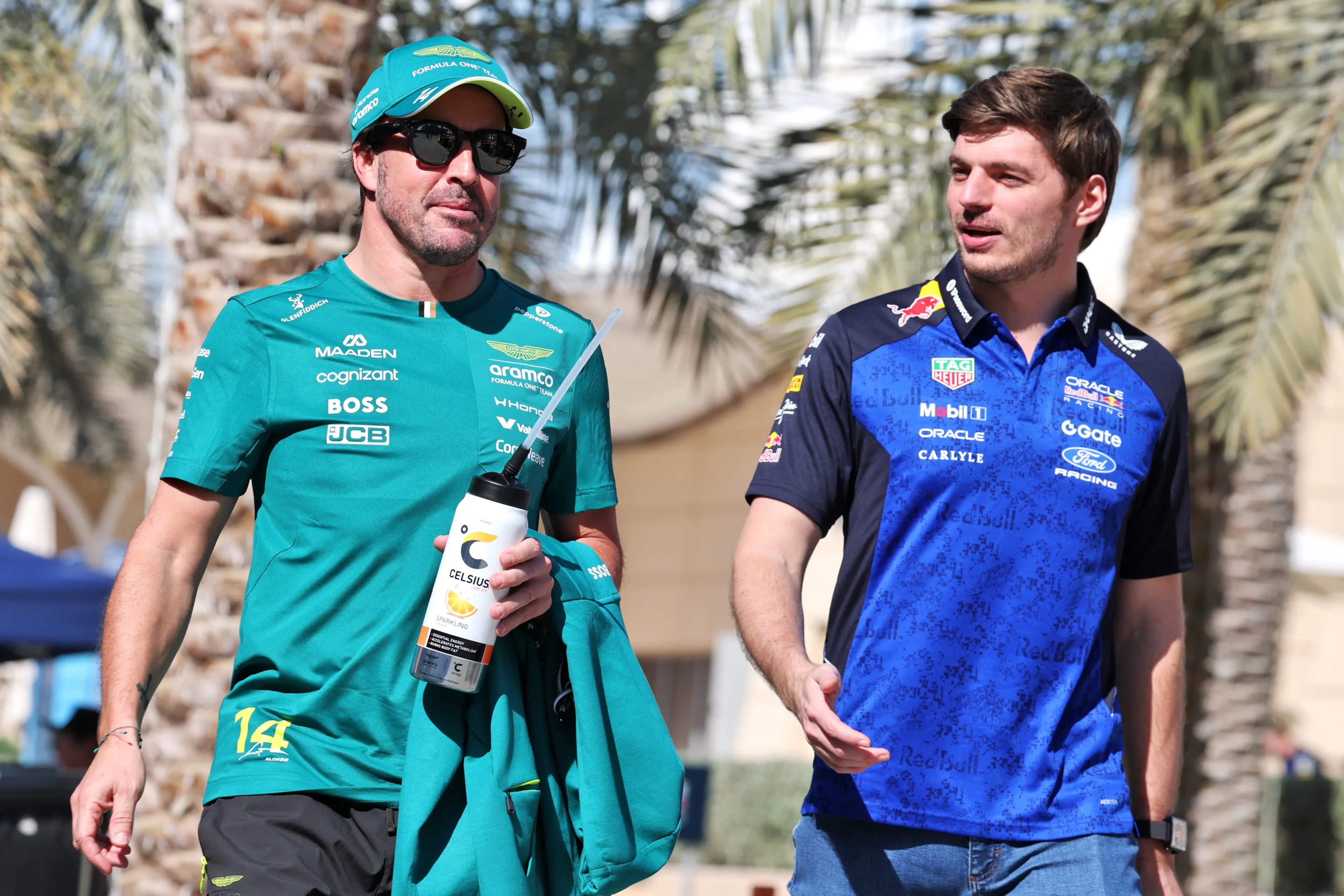
Asked by GPblog about that picture—whether there really are two camps of drivers who like the cars or like them less—came a typical “Verstappen response”: “It’s more like a small easy-up tent, with the rest in a big tent. It’s a small camp and a very large camp.” When the site also asked if most drivers agree with him, he answered in the affirmative. “I think so, yes. I might be a bit more extreme in how I say it, because I don’t really mind. Some are a bit more diplomatic.”
Verstappen backed by other F1 drivers
The fact that not everyone speaks out as sharply about it can have several causes, he believes. “That depends, of course. Also on the team, of course,” the four-time world champion continues, possibly suggesting that some drivers speak out less forcefully than he does due to certain team policies. The Dutchman stresses that he does not let that guide him. “For me… Yeah, I’ve just shared my honest opinion about it,” he concludes.
During the first test week in Bahrain, Verstappen already voiced strong criticism of the new regulations and the new cars. According to him, driving is too focused on energy management and not enough on flat-out racing. He also previously warned of larger speed differences due to lift-and-coast and complicated starting procedures.
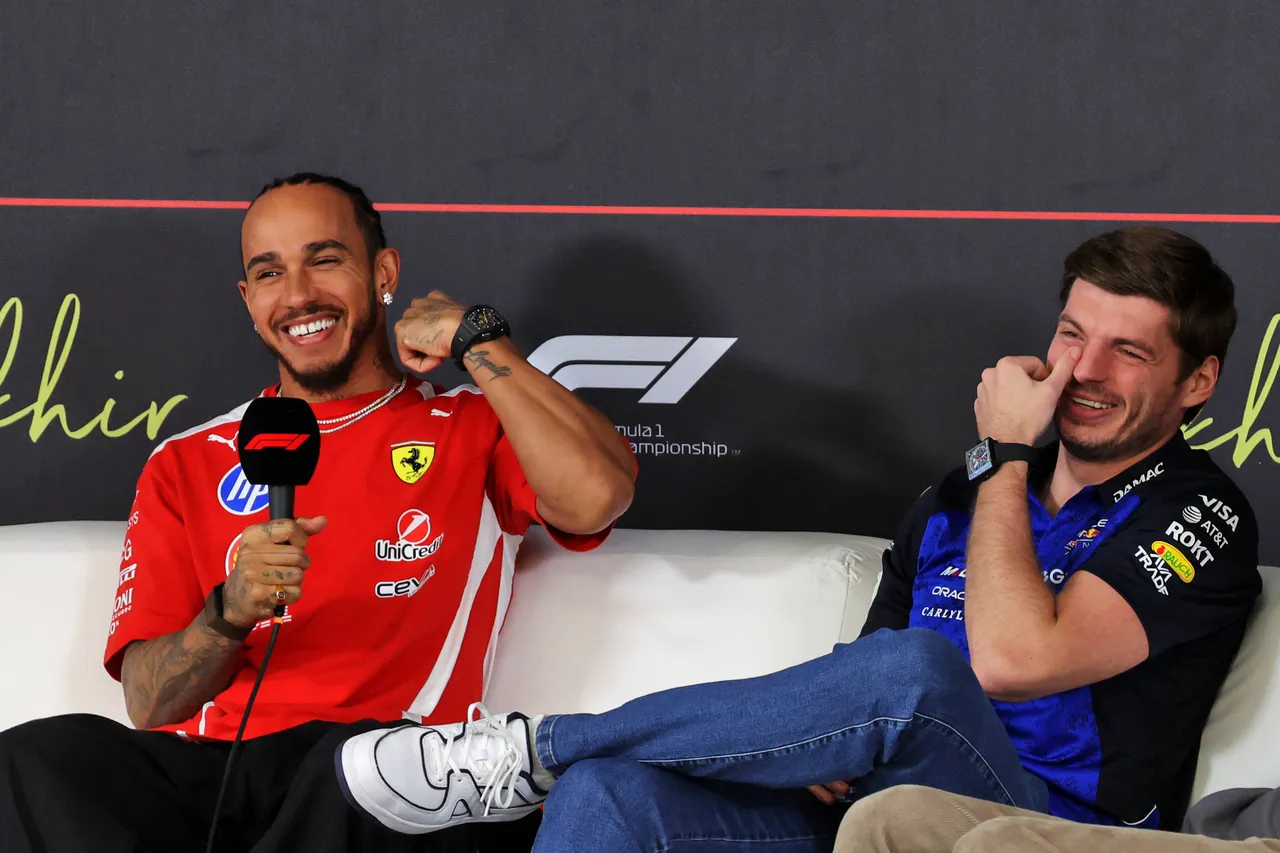
Strikingly, the FIA issued a statement claiming that, in general, the feedback from drivers has been positive. “Constructive discussions have taken place between all teams, partly based on the initial feedback from drivers in a survey set up by the FIA,” the governing body’s statement read.
FIA presents the opposite story to Verstappen
“Drivers responded positively to the lower weight and smaller dimensions of the 2026 cars,” the statement also said. It further pointed to improvements in driving behaviour: “Overall, drivers agreed that the new car shows better ride quality and has stronger initial acceleration.” However, the ‘overall characteristics of the car, the energy and power unit, aerodynamics, overtaking and racing, as well as the tires and mechanical grip’ remain among the discussion points according to the FIA.
The emphasis is on collaboration between teams, engine manufacturers and FOM, and on further refining technical details ahead of Melbourne. While Verstappen talks about energy management, more difficult racing and potential safety risks at starts, the FIA mainly highlights improvements in weight, dimensions and initial acceleration.
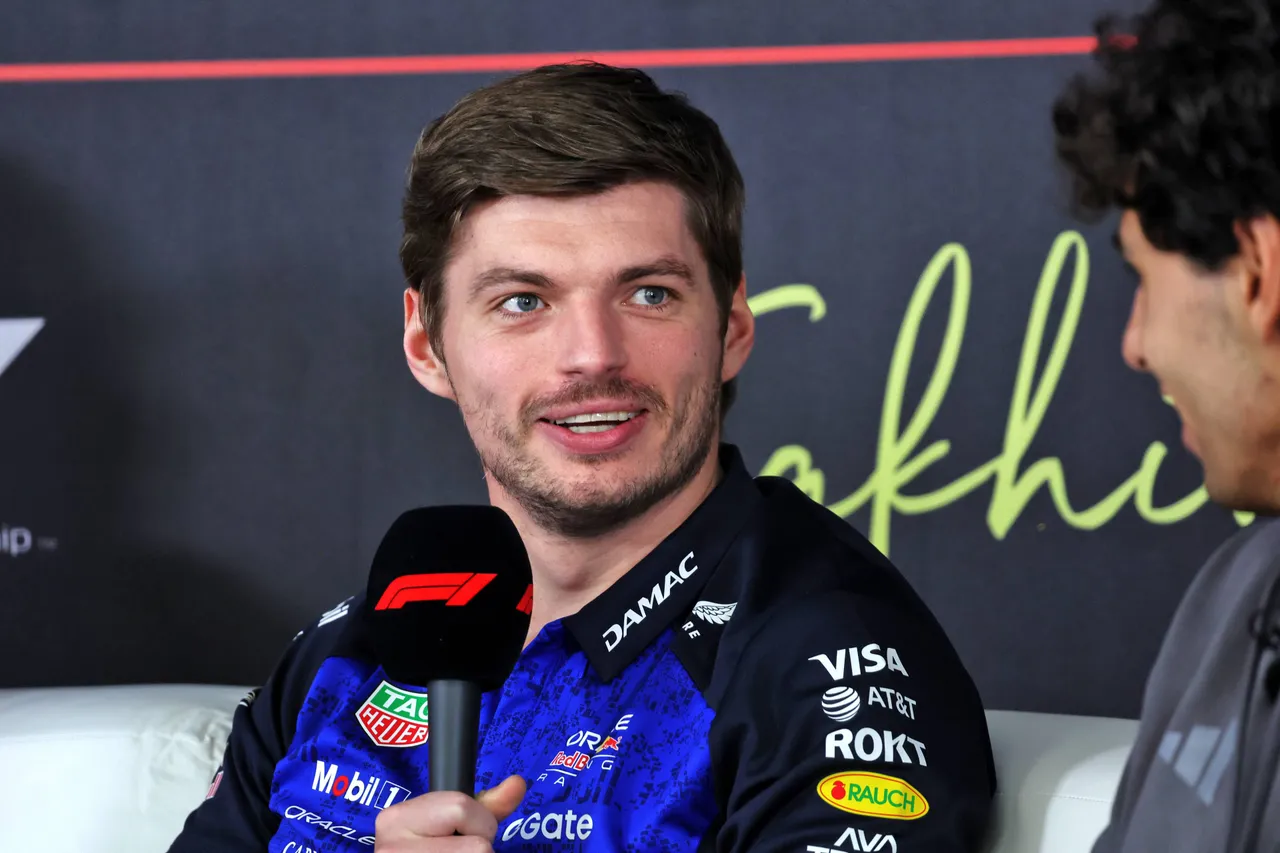
The difference lies mainly in perspective. Verstappen speaks from the feeling in the cockpit and how he believes races are likely to unfold. The FIA does not explicitly address these complaints, instead pointing to the broader technical picture and the process behind the implementation of the new regulations.
Thus, in the run-up to the opening race in Melbourne, two clear narratives are emerging: on the one hand, that of a number of drivers, including major champions such as Verstappen, Lewis Hamilton and Fernando Alonso, who are anything but wildly enthusiastic about the new cars—and on the other hand, the FIA, which mainly wants to emphasize that the process is on track for the first Grand Prix of the season.

Popular on GPBlog
'Mercedes in a race against time to have its fuel approved'
F1 LIVE | Mercedes smashes 'benchmark' times, and what's going wrong for Aston Martin
Red Bull fuel gets the green light, but uncertainty grows around Mercedes ahead of Australian GP