Silly fuels? FIA ruling leaves majority of F1 grid at risk before 2026 season opener

With two preseason testing sessions complete, the season is already shaping up to be a decisive one however there could be a major set-back for the Mercedes-powered teams.
The 2026 Formula 1 season kicks off in just under a month at the Australian Grand Prix, however, some teams might have already hit a brick wall.
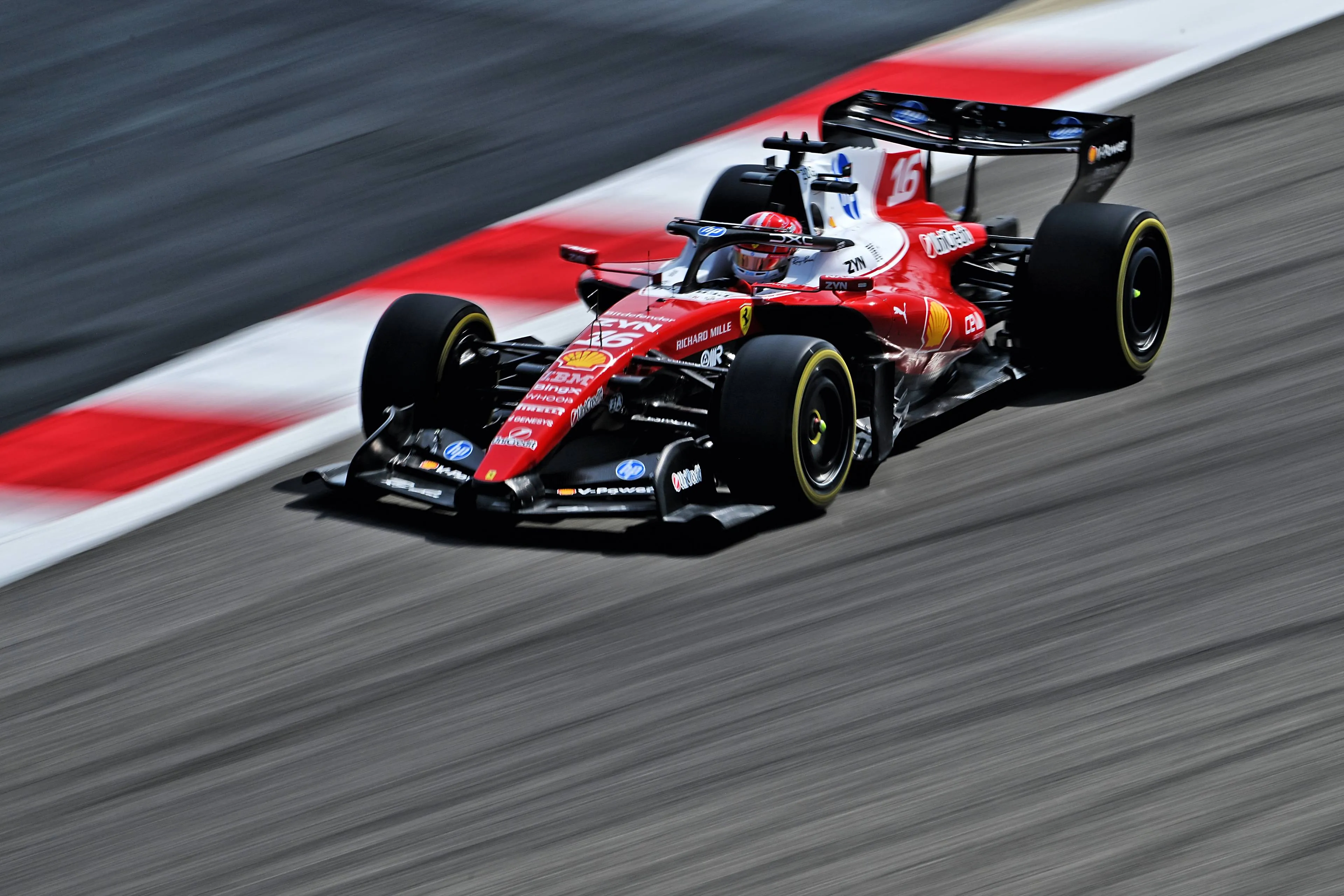
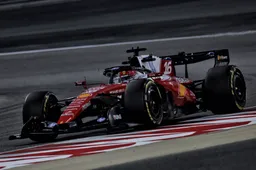
It is rumoured that only Shell-fuelled cars, Ferrari, Haas and Cadillac, and BP-fuelled cars such as Audi have received approval for their new fuel to be used.
From this season onwards, Formula 1 teams must use fuel that is not derived from fossil fuels. When outlining the new regulations, the FIA explained, "The increase in electrical energy is just one element of a major FIA move towards a more sustainable Formula 1, and from 2026 all F1 cars will use advanced sustainable fuels."
"The FIA has mandated the use of sustainable fuel derived from 'Advanced Sustainable Components' (ASCs), ensuring they are sourced from non-food biomass, renewable feedstock of non-biological origin or municipal waste, and meet stringent greenhouse gas emissions thresholds."
What does that mean for the other teams?
With only four teams having their fuel approved, Red Bull Racing, Mercedes, McLaren, Aston Martin, Racing Bulls, Williams, and Alpine are without homologated fuel.
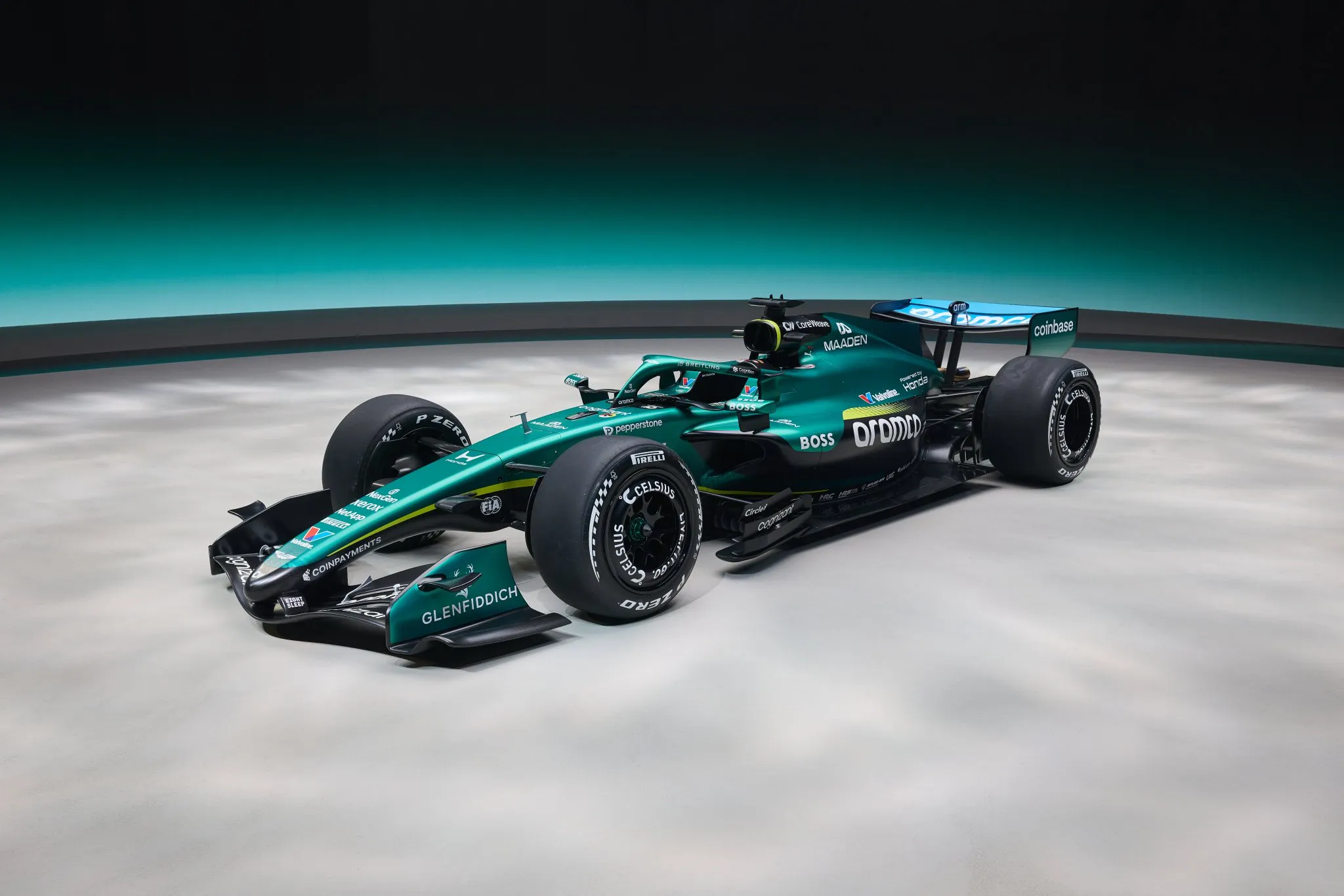
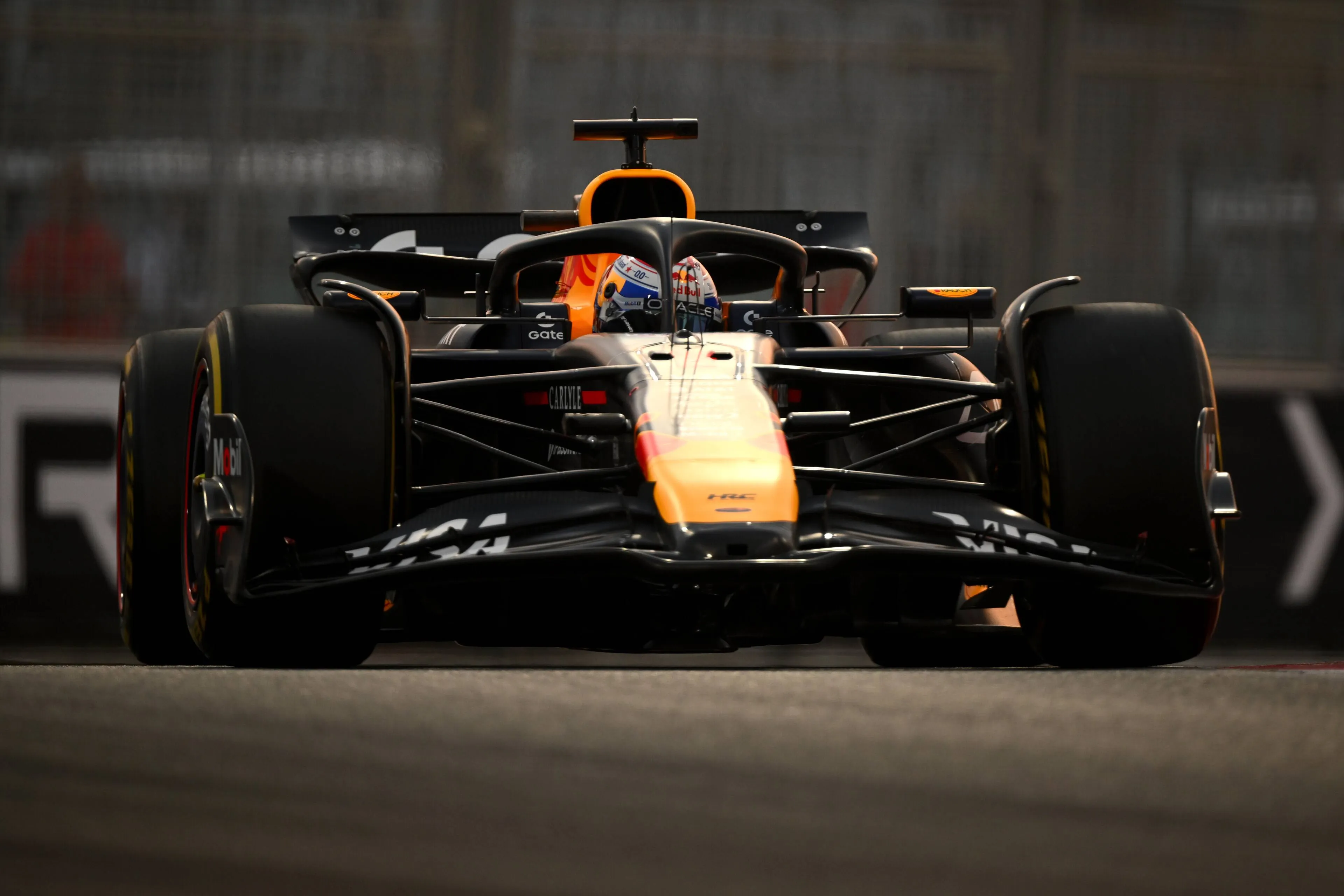
The Mercedes power units are supplied with Petronas fuel, while Red Bull Ford power units use ExxonMobil. Aston Martin is the only standalone brand partnered with its sponsor title, Aramco.
However, if their fuel suppliers do not obtain approval, the teams may have to use temporary fuel for the first race, which has not been developed in harmony with their engine production.
This year, the FIA has outsourced fuel certification to Zemo. The British-based company oversees the approval and production process.
All 11 teams will still be able to complete the second round of preseason testing in Bahrain, as it is not a requirement to use sustainable fuels for the tests. However, at this time, little more is known about the temporary fuel or what the teams will do if they fail to secure homologation in time for the Australian Grand Prix.
Read also






Popular on GPBlog
Russell tells Verstappen to turn his back on F1 and race on the Nordschleife

Italian police reveal details of Kimi Antonelli’s road accident in San Marino
Leclerc confirms worrying prediction for the 2026 F1 season