Newey flags major disadvantage in development of 2026 Aston Martin car

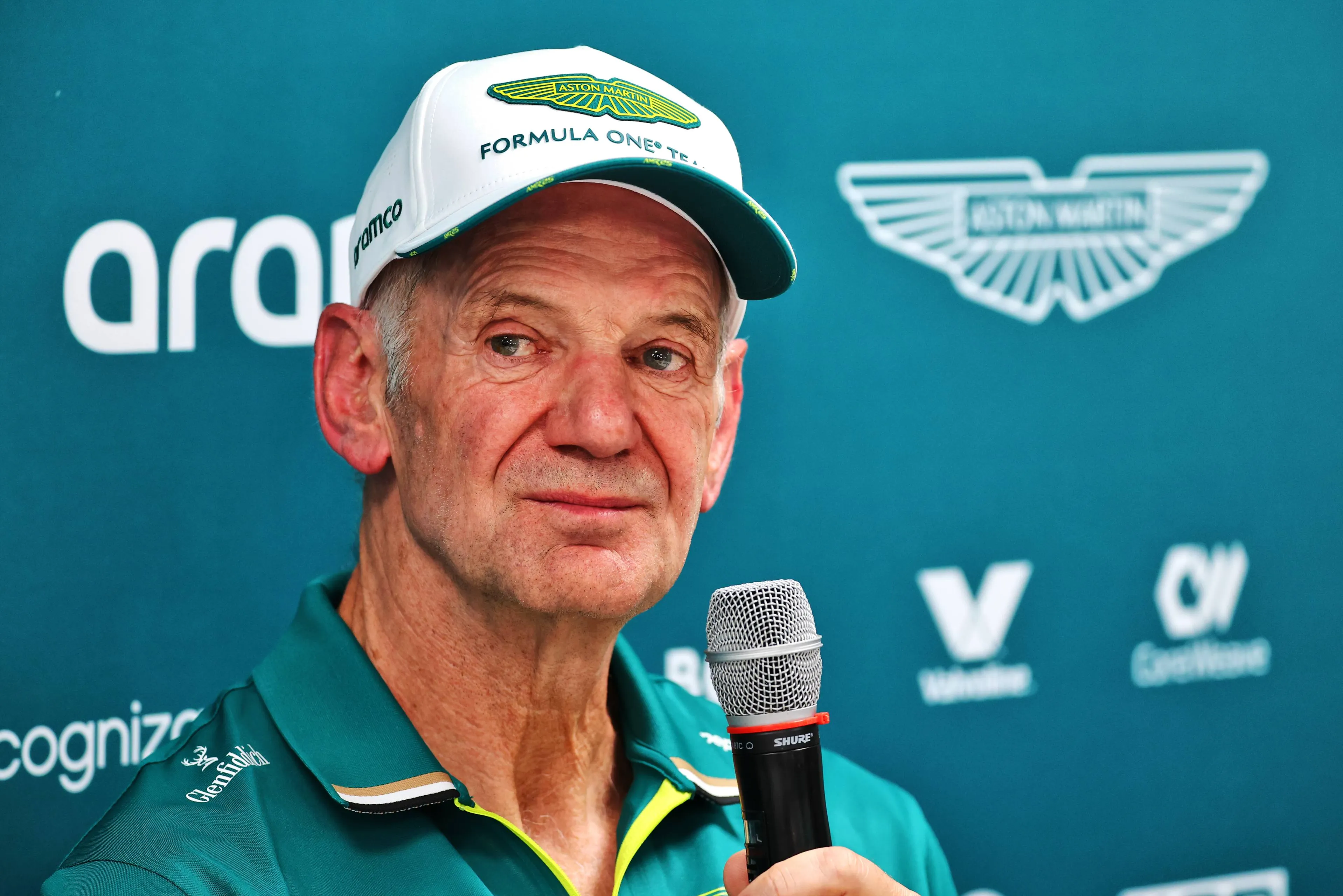
Adrian Newey has revealed a significant challenge Aston Martin faced during the development of its AMR26 car.
“That put us on the back foot by about four months.”- Adrian Newey
Speaking to the Aston Martin F1 team website, Newey explained that the evolving nature of the team’s technical centre, alongside delays with the wind tunnel, meant work on the 2026 car could not begin until April.
"The AMR Technology Campus is still evolving, the CoreWeave Wind Tunnel wasn't fully operational until April, and I only joined the team last March, so we've started from behind, in truth. It's been a very compressed timescale and an extremely busy 10 months,” he explained.
Newey stressed the impact of the delayed wind tunnel testing, explaining how it forced the Silverstone-based outfit to compress research and design cycles.

"The reality is that we didn’t get a model of the '26 car into the wind tunnel until mid-April, whereas most, if not all, of our rivals would have had a model in the wind tunnel from the moment the 2026 aero testing ban ended at the beginning of January last year.”
“That put us on the back foot by about four months, which has meant a very, very compressed research and design cycle. The car only came together at the last minute, which is why we were fighting to make it to the Barcelona shakedown,” he added.
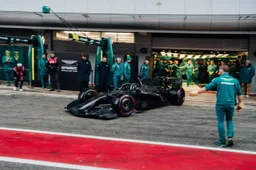
The AMR26 car was the last to hit the track during the maiden shakedown of the 2026 campaign in Barcelona. The Aston Martin team took part in Thursday’s running and the final Friday sessions at the circuit.
Newey reveals details behind aggressive AMR26 design
Newey also touched on the aggressive approach the Aston Martin team has employed towards the design of the AMR26 challenger.
The British engineer detailed how the team aimed to use a holistic approach to get the best out of the new regulations. Newey, however, tempered expectations with the design, stressing that on-track performance will determine whether the team has nailed the new regulations.
Read also








Popular on GPBlog
All the 2026 F1 liveries revealed: this is how the grid will look this season
Verstappen's girlfriend Kelly Piquet shows off a revealing outfit

F1 Today | Verstappen reveals post-F1 plans as Horner joins engine loophole debate