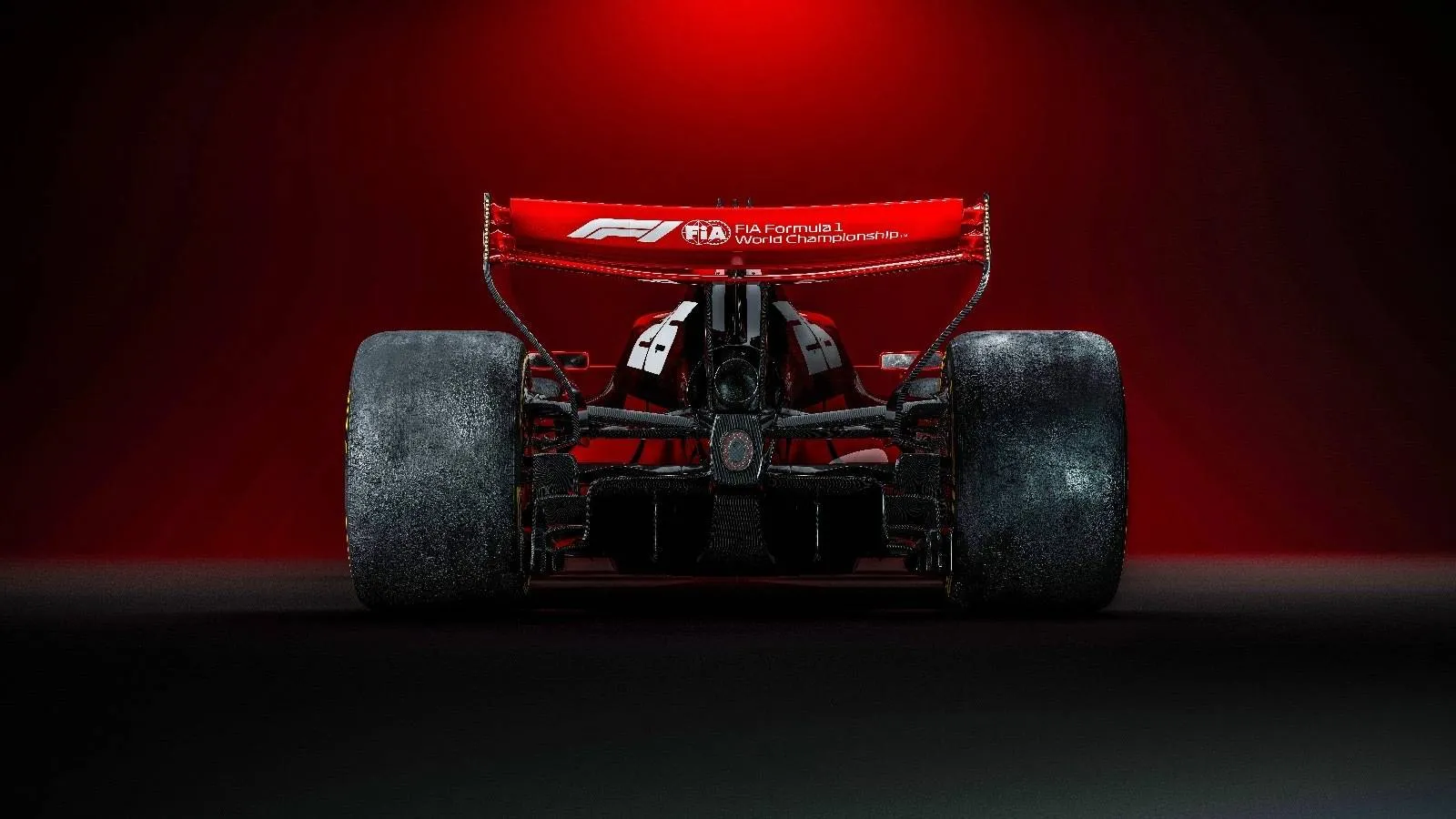
Official F1 2026 terminology unveiled as major regulations revamp looms

Formula 1 has confirmed the official 2026 terminology ahead of the next technical regulatory cycle.
The new terminology has been chosen “to avoid gimmicks and jargon, knowing that fans old and new prefer simpler, more objective and meaningful language,” F1 confirmed.
“It is important that the new technical nature of the regulations is respected and clearly articulated, so that any new terms are useful and accurate when providing analysis and on-track commentary.”
No X-mode or Z-mode, then, as initially outlined in the first drafts of the new regulations, with the updated terminology instead built around four key pillars.
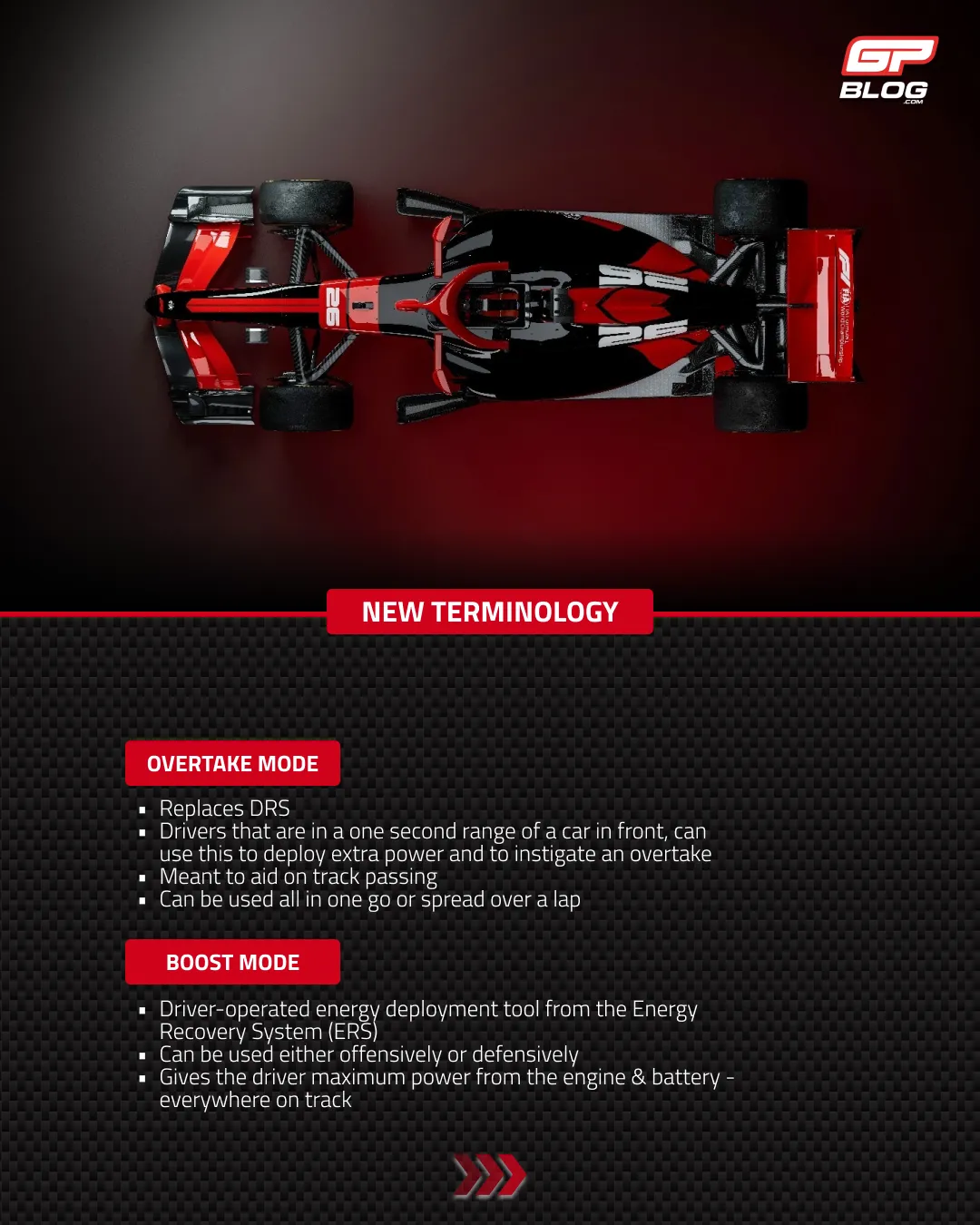
The first is Overtake Mode, which allows drivers running within one second of the car ahead to deploy extra power in order to launch an overtaking move. Replacing DRS, it is designed to aid wheel-to-wheel racing and can be used either all in one burst or strategically spread over the course of a lap.
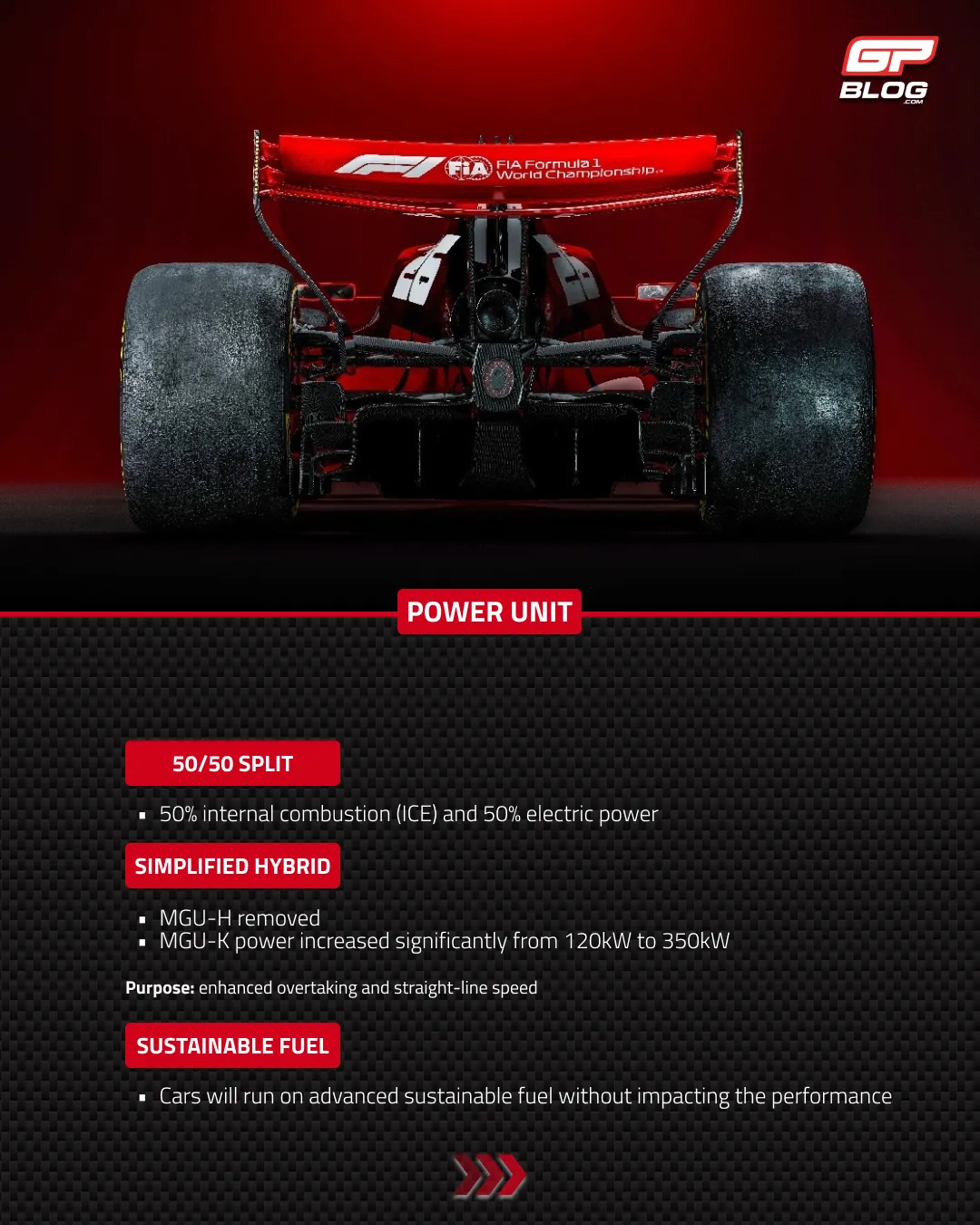
The second is Boost Mode, a driver-operated energy-deployment function linked to the Energy Recovery System (ERS). It can be used both offensively and defensively, delivering maximum combined power from the engine and battery at the push of a button, regardless of where the car is on track.
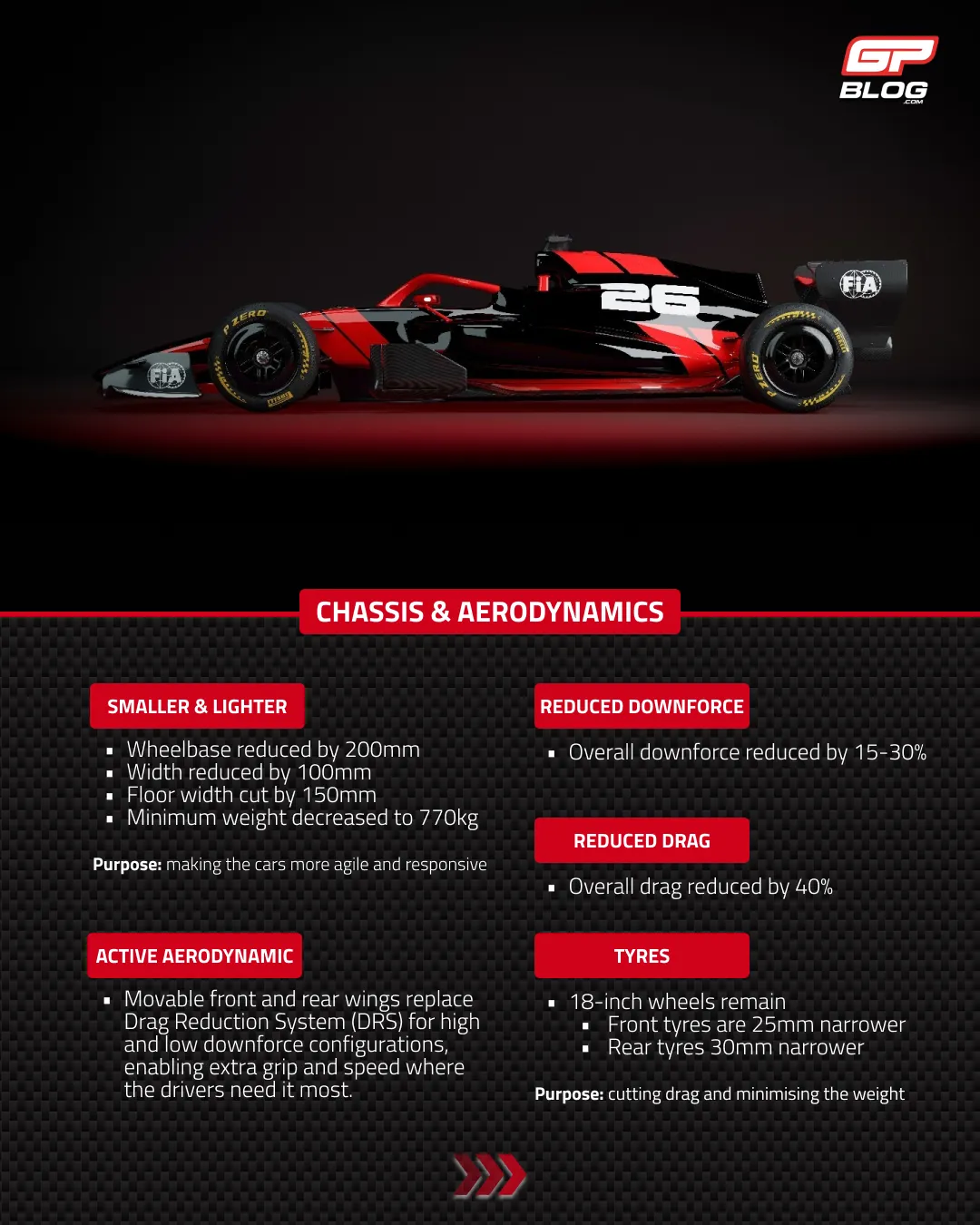
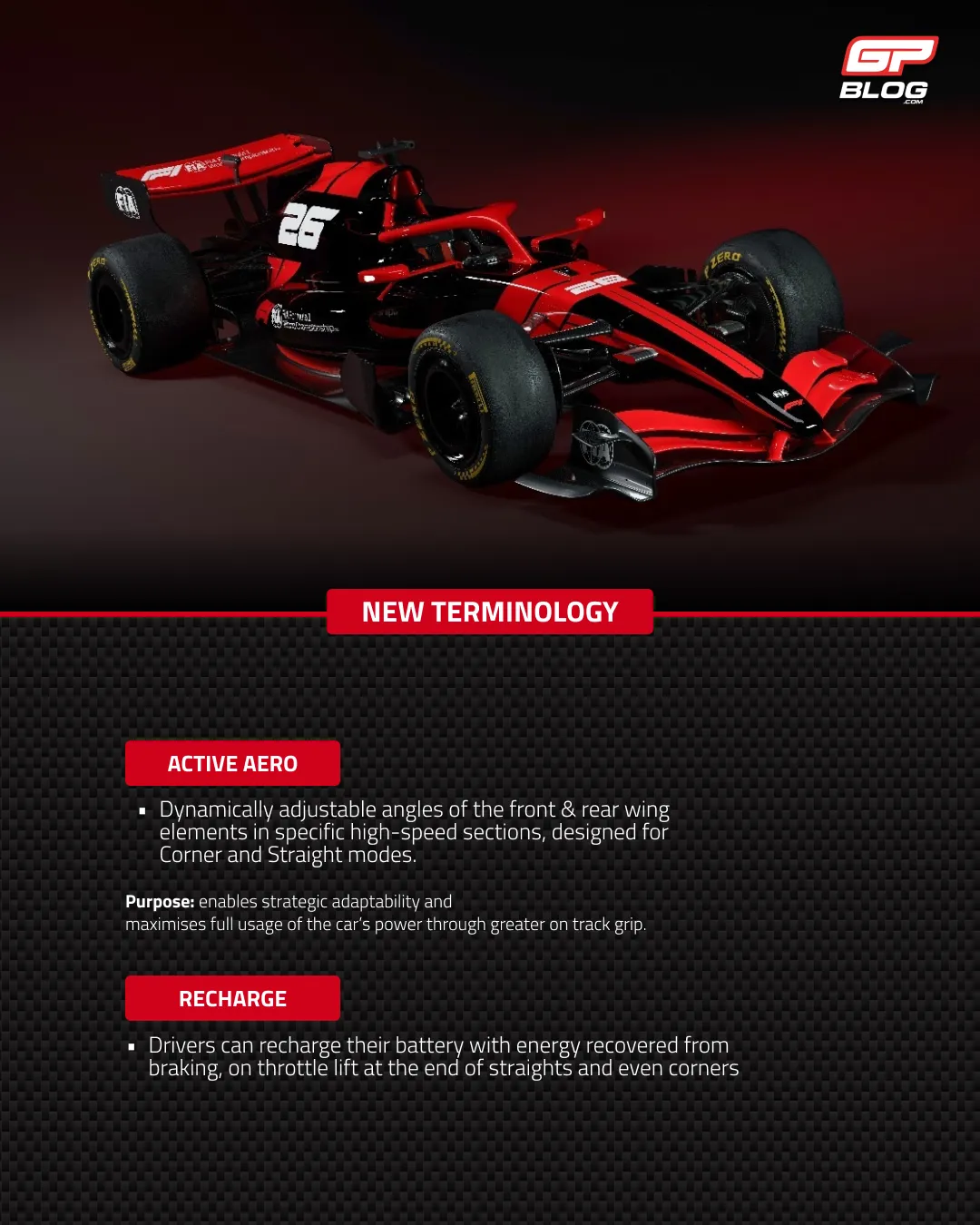
The third pillar is Active Aero, featuring dynamically adjustable front and rear wing elements that switch between cornering and straight-line configurations in specific high-speed sections. This system is designed to increase strategic flexibility and maximise the car’s performance by improving on-track grip and overall power utilisation.
Finally, Recharge covers the ways in which drivers can replenish the battery, harvesting energy under braking, during lift-and-coast phases at the end of straights, and even through corners where only partial throttle is applied.
Read also


F1 showcase new-generation cars in latest 2026 design reveal
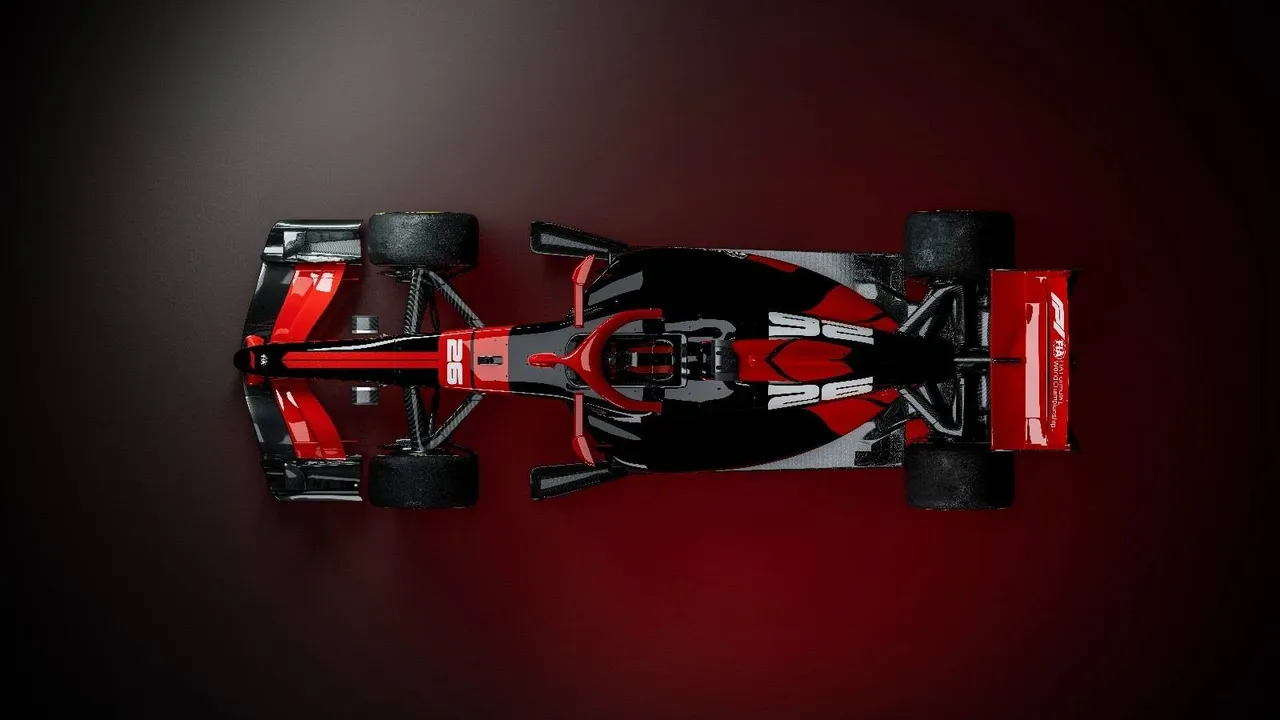
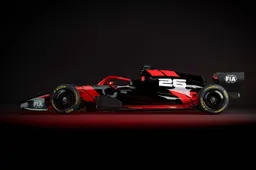
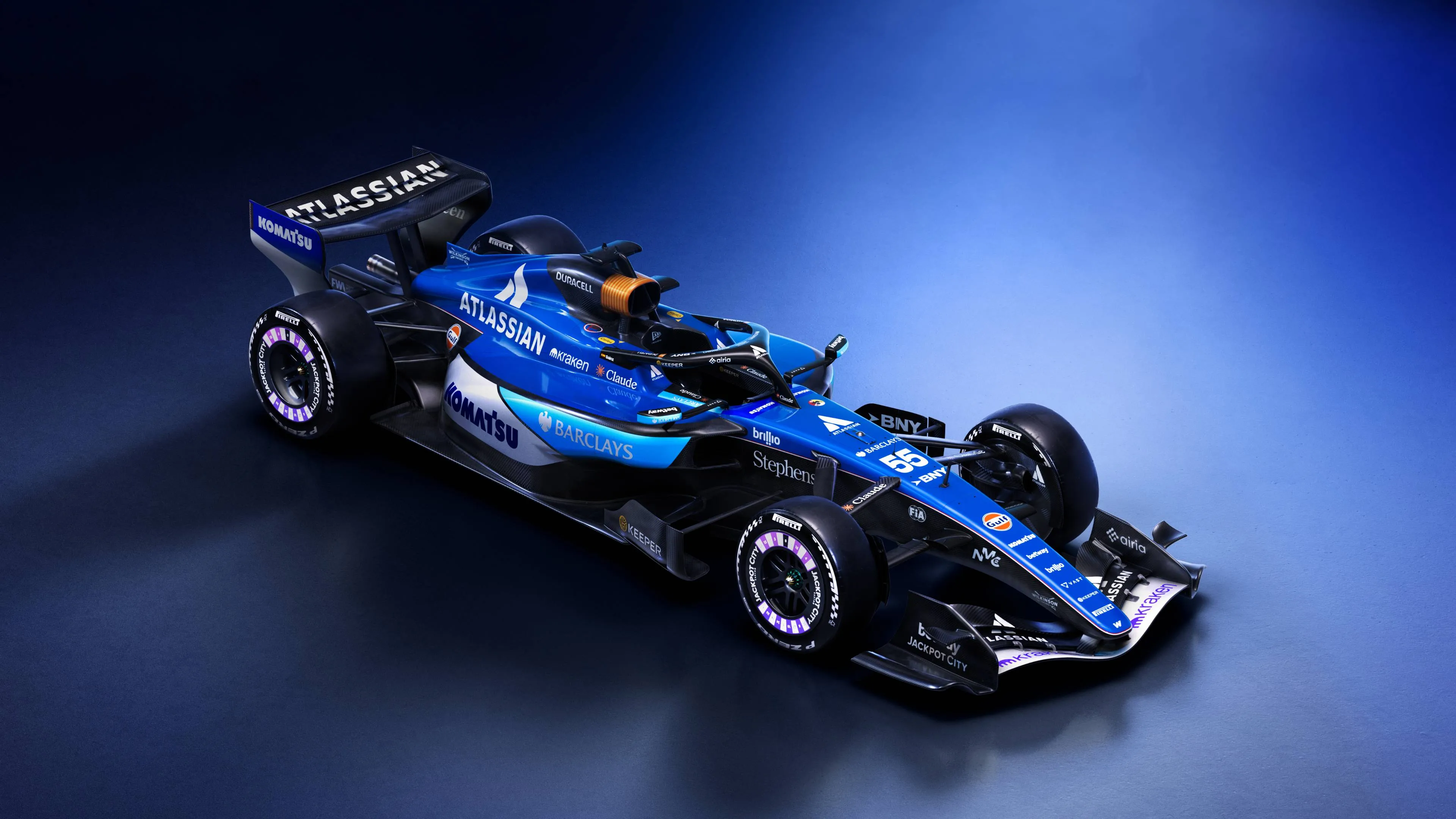
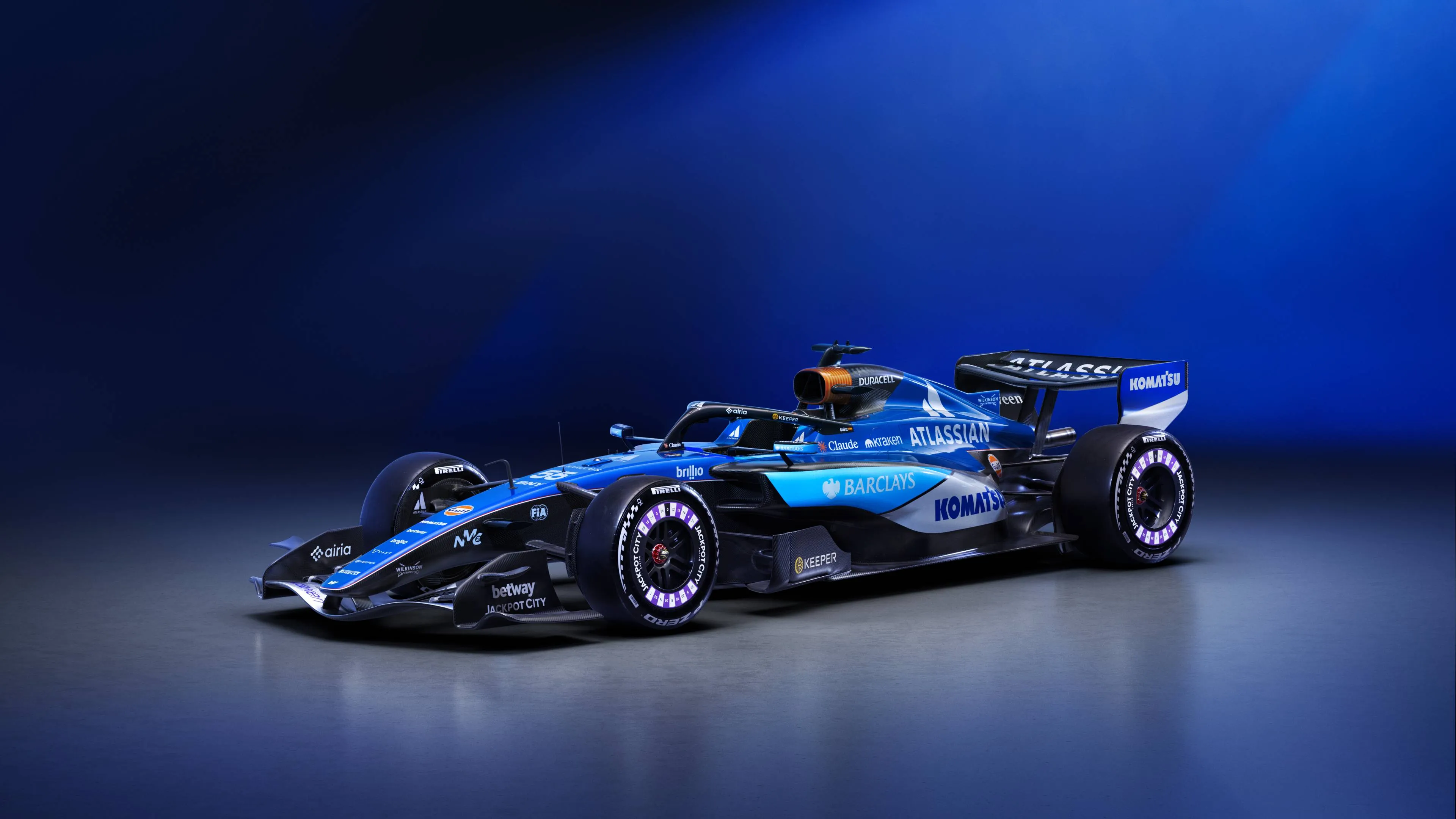
In addition to officially defining the terminology that will be used next year, Formula 1 has also shared new images offering a closer look at what the cars set to hit the track in 2026 will look like.
With just over a month to go before the new cars make their on-track debut, the next-generation machines are set to be radically different — not only in their external appearance, but above all in their underlying architecture.
Here’s a full gallery of the 2026 cars from every angle.
Read also


GPblog's latest F1 Paddock Update
Want to stay up-to-date with what happens in the F1 paddock? Then GPblog's F1 Paddock Update video is the perfect way to do it. Subscribe to GPblog's YouTube channel and turn on notifications to never miss the latest episodes.





Popular on GPBlog
F1 team boss left stunned by three rivals in Barcelona: 'They impressed me'
Honda flies quickest, new engine causes manufacturers major headache

Mercedes could break F1 record held by Ferrari in 2026