Zak Brown discusses chances of all-Mercedes cars being banned from Australian GP

Zak Brown has moved to shut down speculation surrounding Mercedes’ Formula 1 power unit, dismissing claims of a compression-ratio loophole as “typical politics” during pre-season testing.
Mercedes AMG High Performance Powertrains (HPP) have come under scrutiny following accusations that they have developed a system capable of increasing engine compression ratios from 16:1 to 18:1 once operating temperature is reached. Rival teams have suggested the change could unlock a performance advantage under the current engine regulations.
However, the McLaren Racing CEO insists the Mercedes power unit is fully compliant with FIA rules and was developed with the governing body’s full knowledge.
Speaking at a media briefing that included GPblog, Brown suggested the controversy was part of Formula 1’s long-standing competitive culture.
“It’s typical politics of Formula One,” Brown said. “The engine has been designed and is totally compliant within the rules. That’s what the sport is about. It’s no different from things like double diffusers that we’ve seen in the past, where they were compliant within the rules.”
There is no advantage: Brown
Brown also rejected suggestions that Mercedes has found a decisive performance advantage, despite claims from rival manufacturers.
“I don’t believe there’s a significant advantage as being represented by the competition,” he added. “But of course, it’s their job that any perceived advantage they’ll make some story out of it. The reality is the engines are completely compliant, they’ve passed all their tests, and HPP has done a good job.”
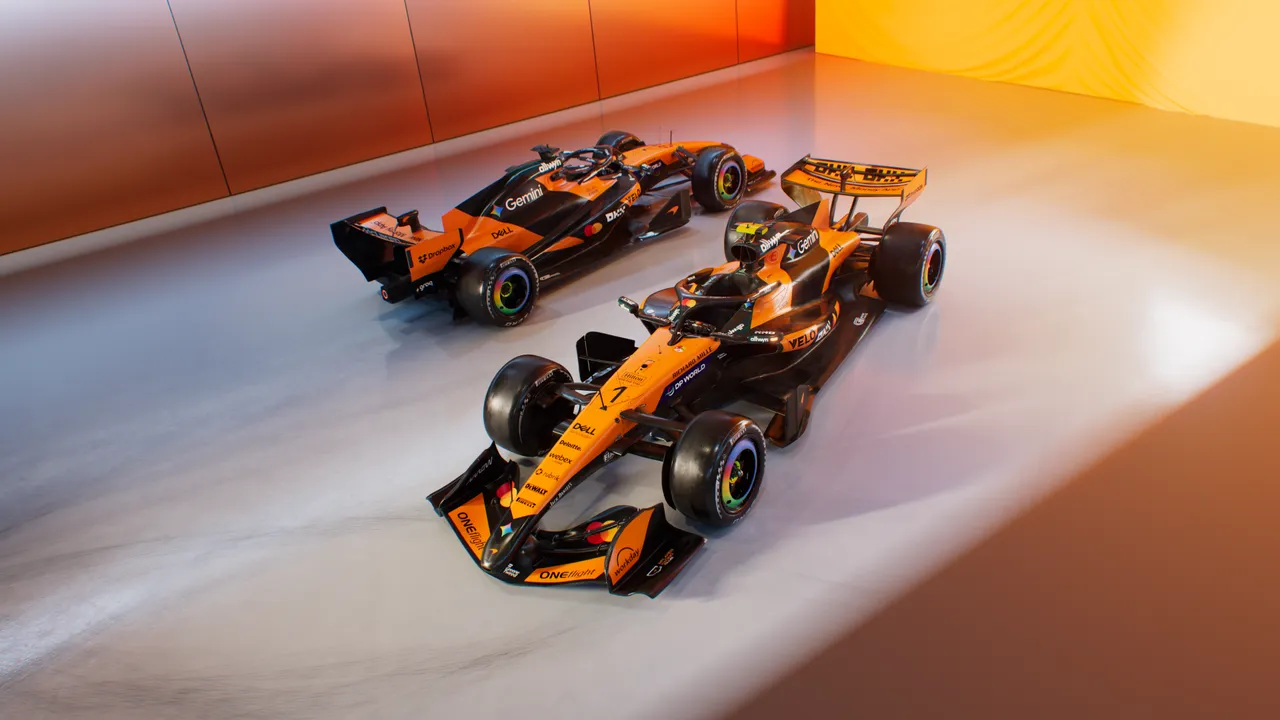
As a customer team of Mercedes HPP, McLaren has limited involvement in any discussions surrounding the power unit’s legality. Brown explained that while McLaren remains informed, it is not directly engaged in technical or regulatory debates.
“We’re aware of what’s being said, but it’s a Mercedes topic,” he said. “We don’t build or design the power unit. HPP keeps us in the loop because we’re obviously very interested, but we don’t sit in the power unit working group where those conversations happen.”
Reports have suggested the FIA could move quickly to adjust how compression ratios are measured ahead of the Australian Grand Prix. Such changes could place Mercedes-powered teams under increased scrutiny if implemented and see them possible prevented from competing in the opening race of the season.
Despite this, Brown dismissed any suggestion that Mercedes-powered teams could be absent from the grid for the curtain-raiser.
“I can’t imagine Mercedes-powered teams not being on the grid in Australia,” he said. “We’re not privy to those conversations, so I wouldn’t even know what it would take to change the regulations from a power unit point of view. But I’m sure all Mercedes teams will be there.”
Read also



Popular on GPBlog
All the 2026 F1 liveries revealed: this is how the grid will look this season
Cadillac F1 reveals first-ever car livery during the Super Bowl
F1 Today | Cadillac F1 faces lawsuit over Super Bowl commercial, Wolff tips hat to Red Bull power unit