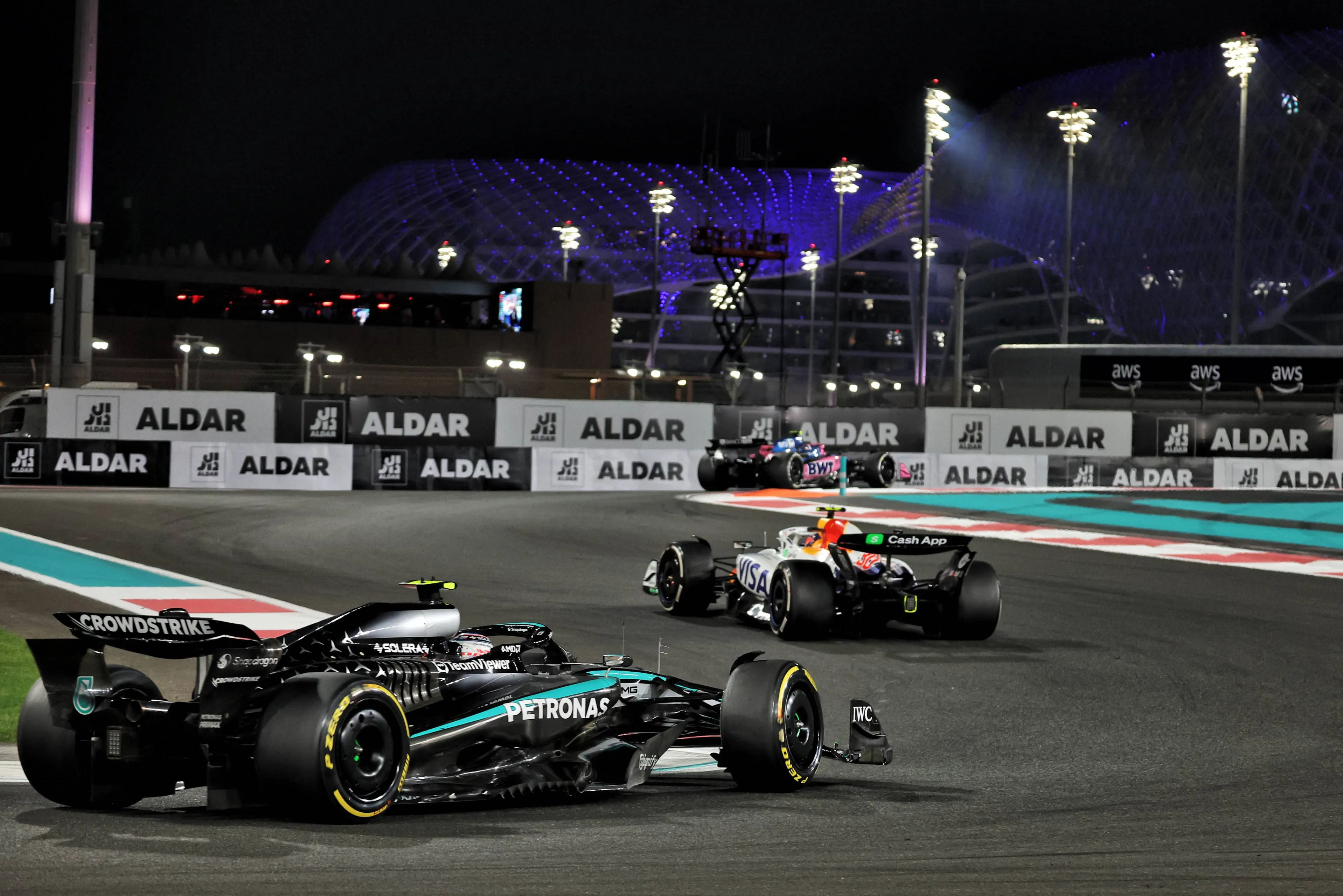
Last-ever DRS activation in F1: who pressed the button for the final time?
The Abu Dhabi GP marked the end of the DRS system as we’ve known it over the past fourteen years.
It’s now widely known that the first driver to activate the movable rear wing in Formula 1 was Jenson Button, who used it for the first time in an official race at the 2011 Spanish GP.
This weekend in Abu Dhabi, alongside marking the end of the ground-effect car era, also saw the final time drivers could use DRS before next year’s major regulatory shake-up, which will introduce new ways to aid overtaking on track.
The last driver to officially press the DRS button was Kimi Antonelli, with the Mercedes driver using it in an attempt to overtake Yuki Tsunoda for 14th place—but he was unsuccessful.
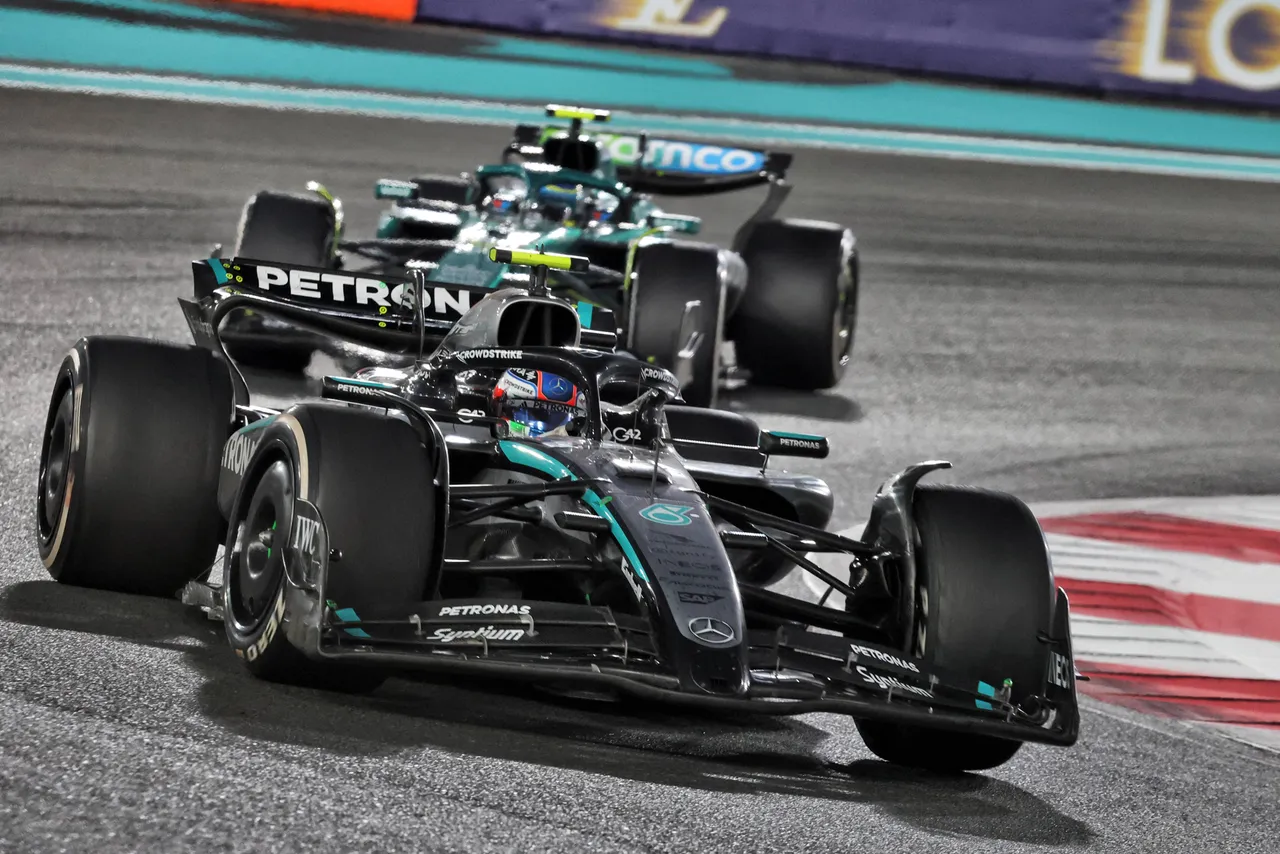
F1 waves farewell to DRS in Abu Dhabi as 2026 overhaul looms
The introduction of DRS immediately gave a major boost to overtaking, allowing a driver in the slipstream to gain up to 10–12 km/h simply by opening the movable rear wing.
In 2010, the last season without DRS, there were 547 overtakes in total. The following year, that number skyrocketed to 1,486—nearly three times as many. Next year, wings will remain a crucial part of the new car designs, alongside a significantly increased electric power output that will match the force of the internal combustion engine.
So what will replace it to help drivers make overtakes on track? Find out more here.
Read also


GPblog's latest F1 Paddock Update
Want to stay up-to-date with what happens in the F1 paddock? Then GPblog's F1 Paddock Update video is the perfect way to do it. Subscribe to GPblog's YouTube channel and turn on notifications to never miss the latest episodes.
Read also





Popular on GPBlog
Brundle flags one F1 team that has hit the sweet spot after Barcelona testing
F1 team boss left stunned by three rivals in Barcelona: 'They impressed me'
Honda flies quickest, new engine causes manufacturers major headache