Why Max Verstappen was wrong to blast F1's new rules
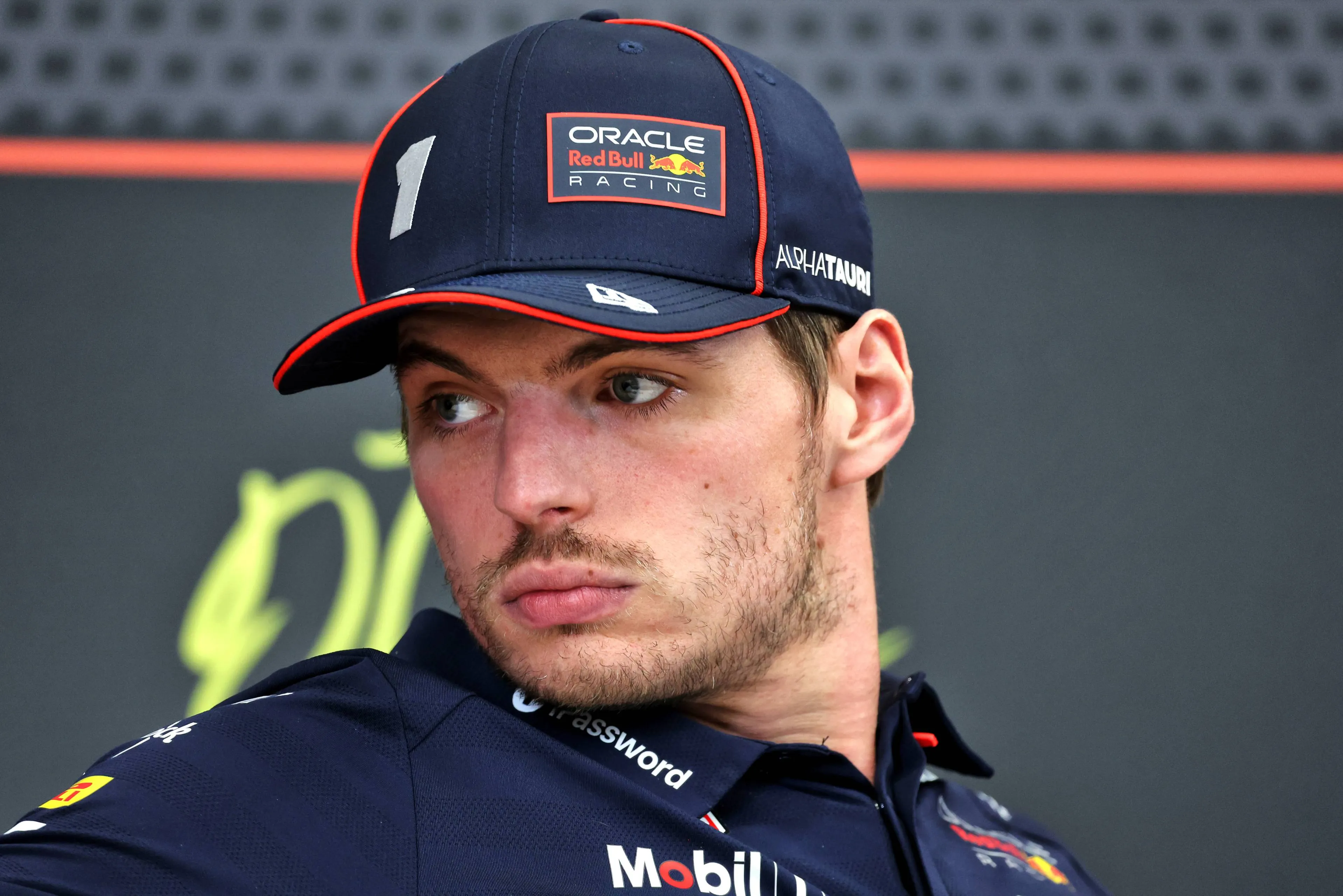
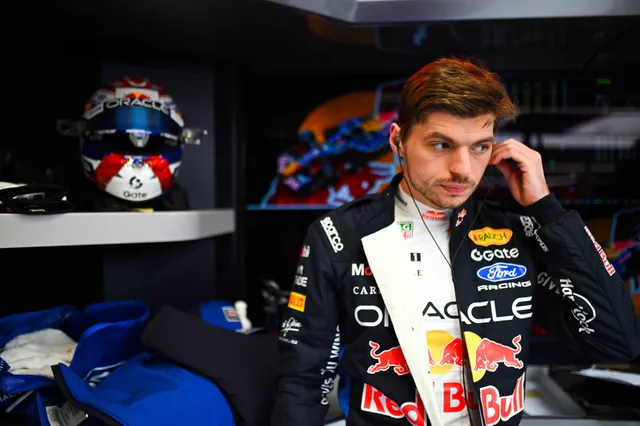
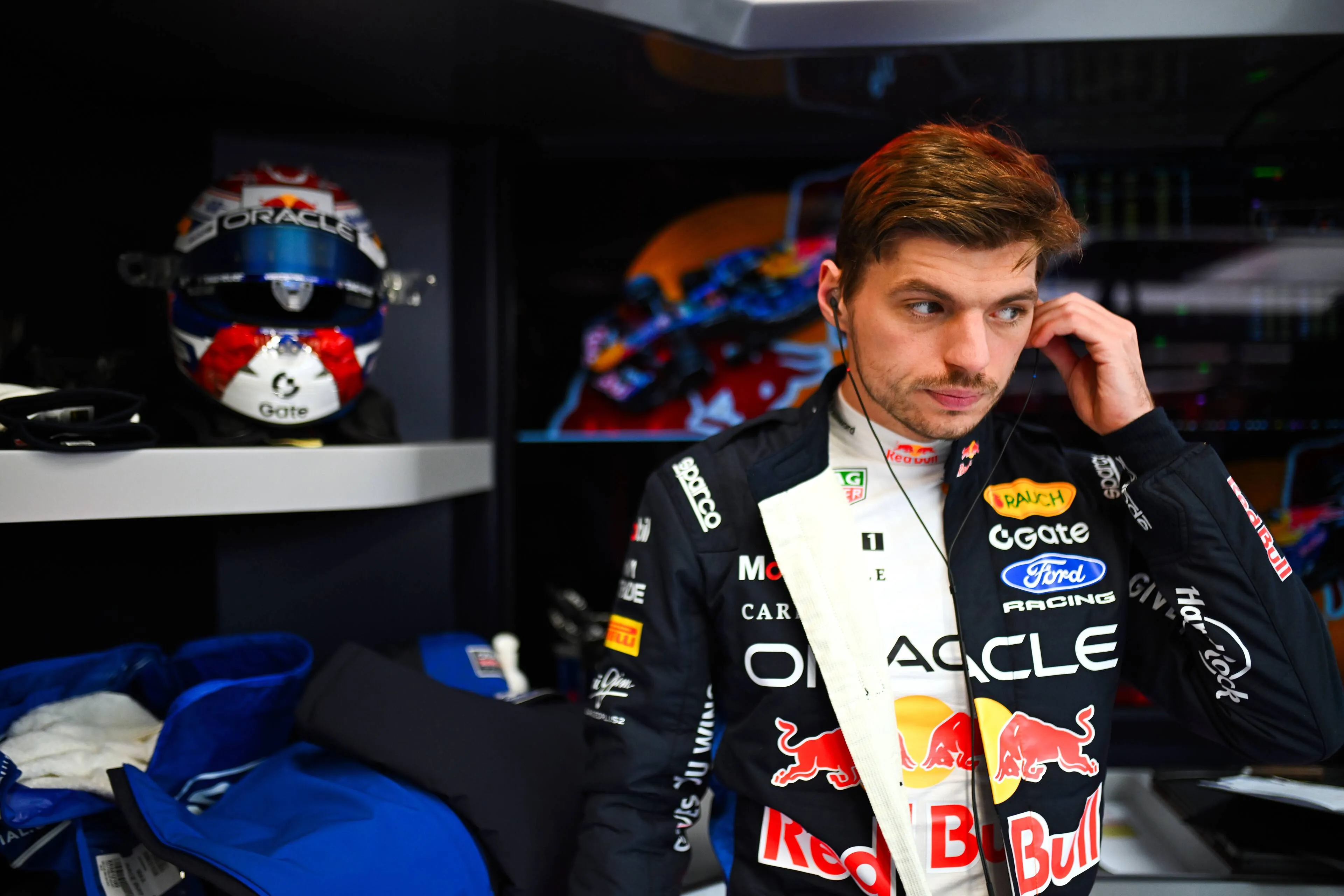
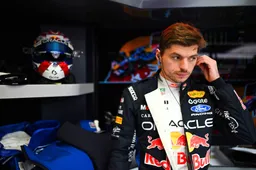
Max Verstappen tore into the new 2026 F1 rules — but perhaps he should have waited a little longer before writing them off.
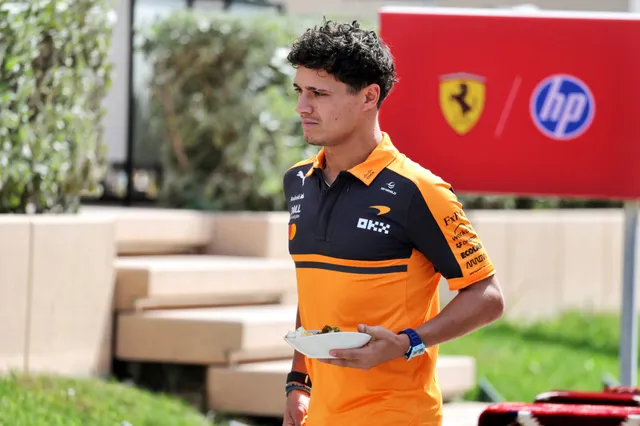
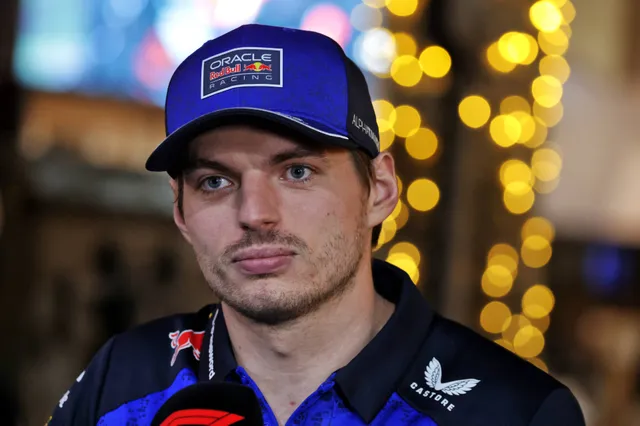
The 2026 season has yet to get underway, but a war of words already appears to be brewing between the four-time world champion and the man who has just lifted the title - Lando Norris - at least in front of the microphones.
Amid the on-track action in Bahrain during winter testing, the Dutchman did not hold back in his typically blunt fashion when discussing the new regulations and cars, branding the modern version of Formula 1 as “Formula E on steroids”.
However, Norris was quick to fire back, even suggesting that his beaten rival in Abu Dhabi was free to walk away if he wanted to. Norris' words - albeit tongue in cheek - clearly put in him conflict to Verstappen's perspective.
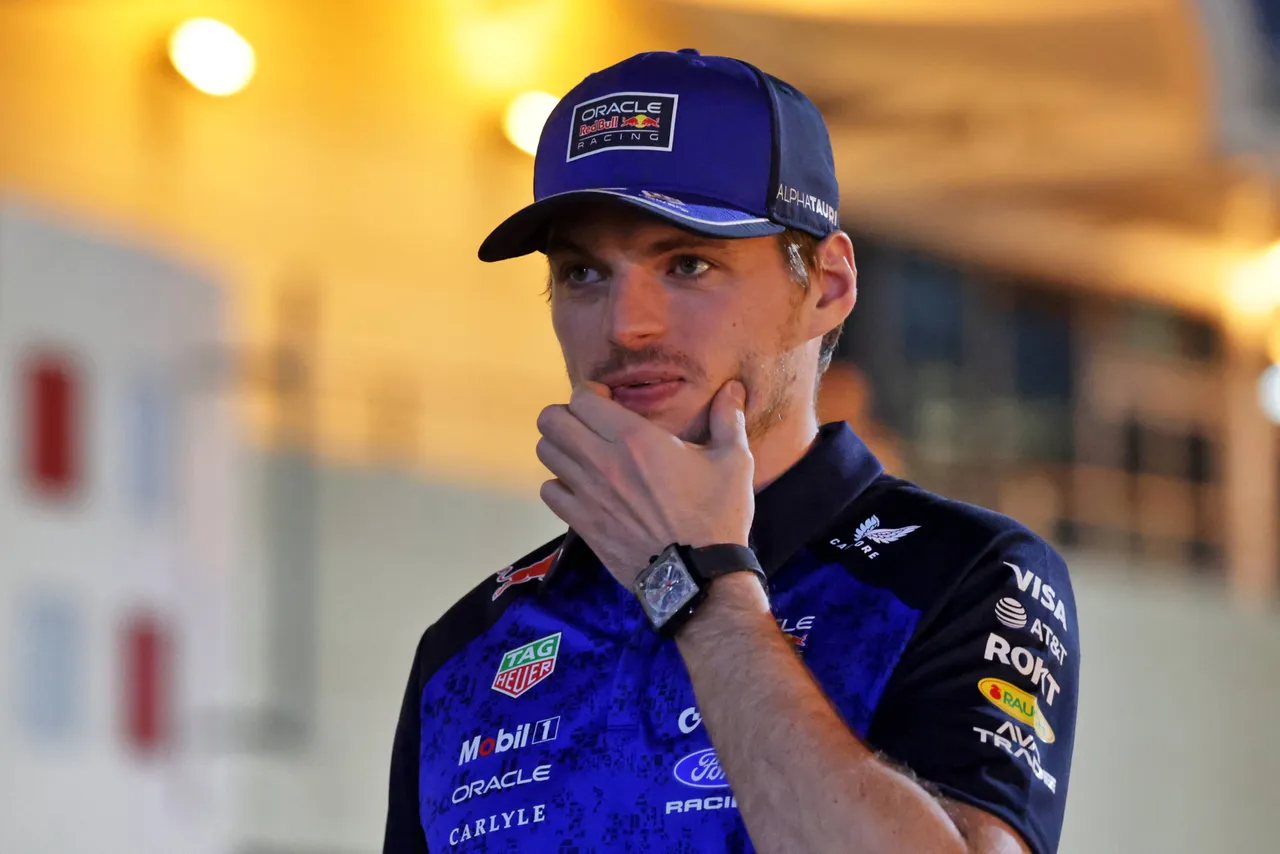
2026 regulations written off before the first race of the year
Verstappen’s jab is the latest in a long line of criticism aimed at the new regulations. There have been those questioning why the rules needed changing in the first place, to others predicting apocalyptic scenarios of cars grinding to a halt halfway down the straights as they run out of battery power.
It is undeniable that the brand-new generation of cars, which rely heavily on electric power and its management, have run into some early teething problems — but their on-track debut has actually been far more positive than many had expected.
What worries drivers and teams most is that, on certain circuits — especially those with extremely long straights such as Spa, Monza and Las Vegas — there is a genuine fear that cars could even be forced to downshift on the straight, as the internal combustion engine alone would not be enough to keep revs high, allowing drivers to sacrifice top speed for recharging a battery pack.
The knock-on effect would be drivers deliberately slowing down through the corners, relying heavily on lift-and-coast just to arrive onto the straights with a fully charged battery, allowing them to deploy as much power as possible when it really counts.
Read also
Why 2014 shows media alarmism leads nowhere
At the dawn of the turbo-hybrid era, now 12 years ago, the concerns were very similar — if not even greater — with a far more convoluted set of regulations than today’s and teams taking months to fully understand how to make the most of the MGU-H, a component that has since been removed from the new power units.
The very first tests in Jerez were an outright disaster, with cars grinding to a halt after just a handful of kilometres due to reliability issues, while some teams failed to run at all and were left watching others circulate from the garage.
By the time the circus reached Australia, however, the picture had already changed, with teams gradually beginning to make sense of the new cars as the races went by, giving Formula 1 a fresh identity clearly distinct from the era that came before. It proved that the scaremongering was wrong.
Will the controversy give way to the racing?
It could be that a similar scenario will play out again, with the controversy gradually giving way to on-track action and the sporting element, as everyone finds their feet and strikes the right balance between racing and politics.
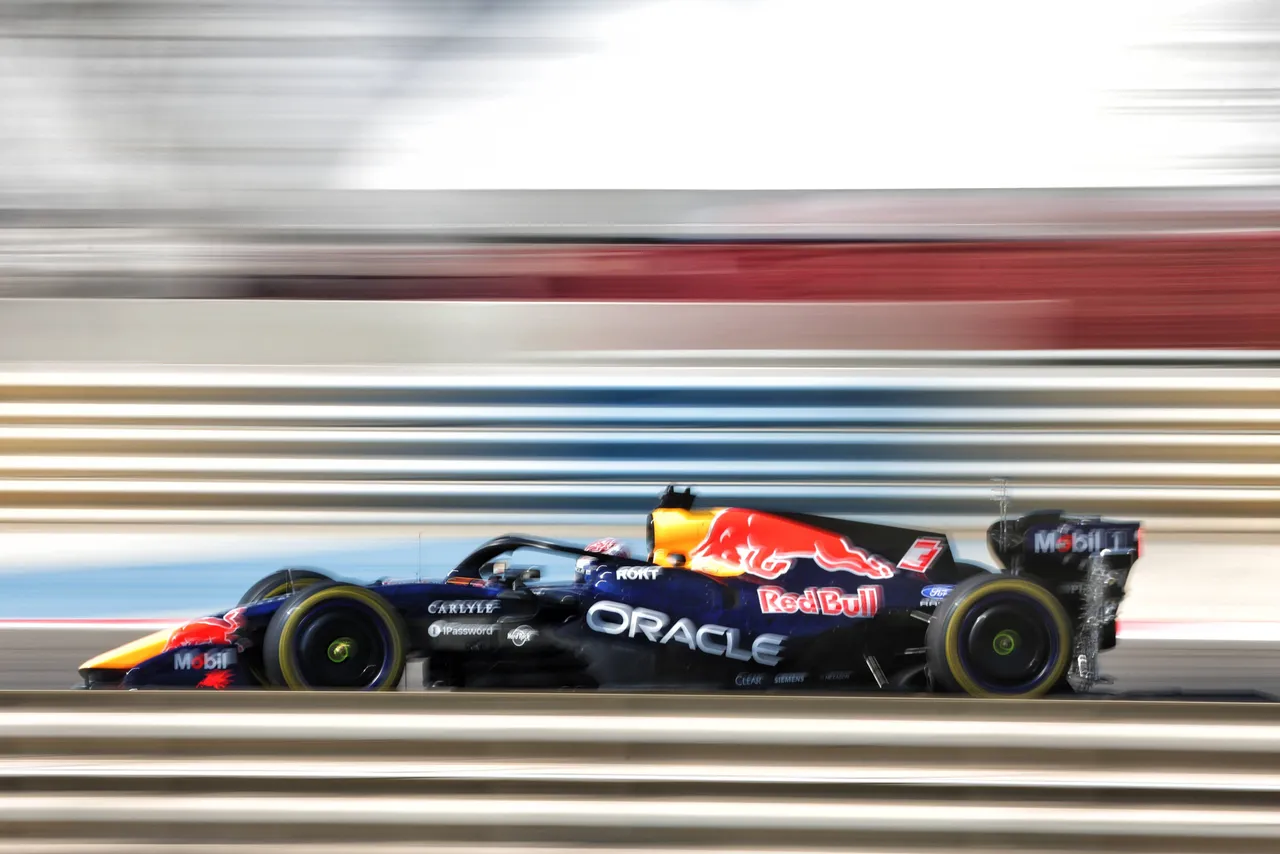
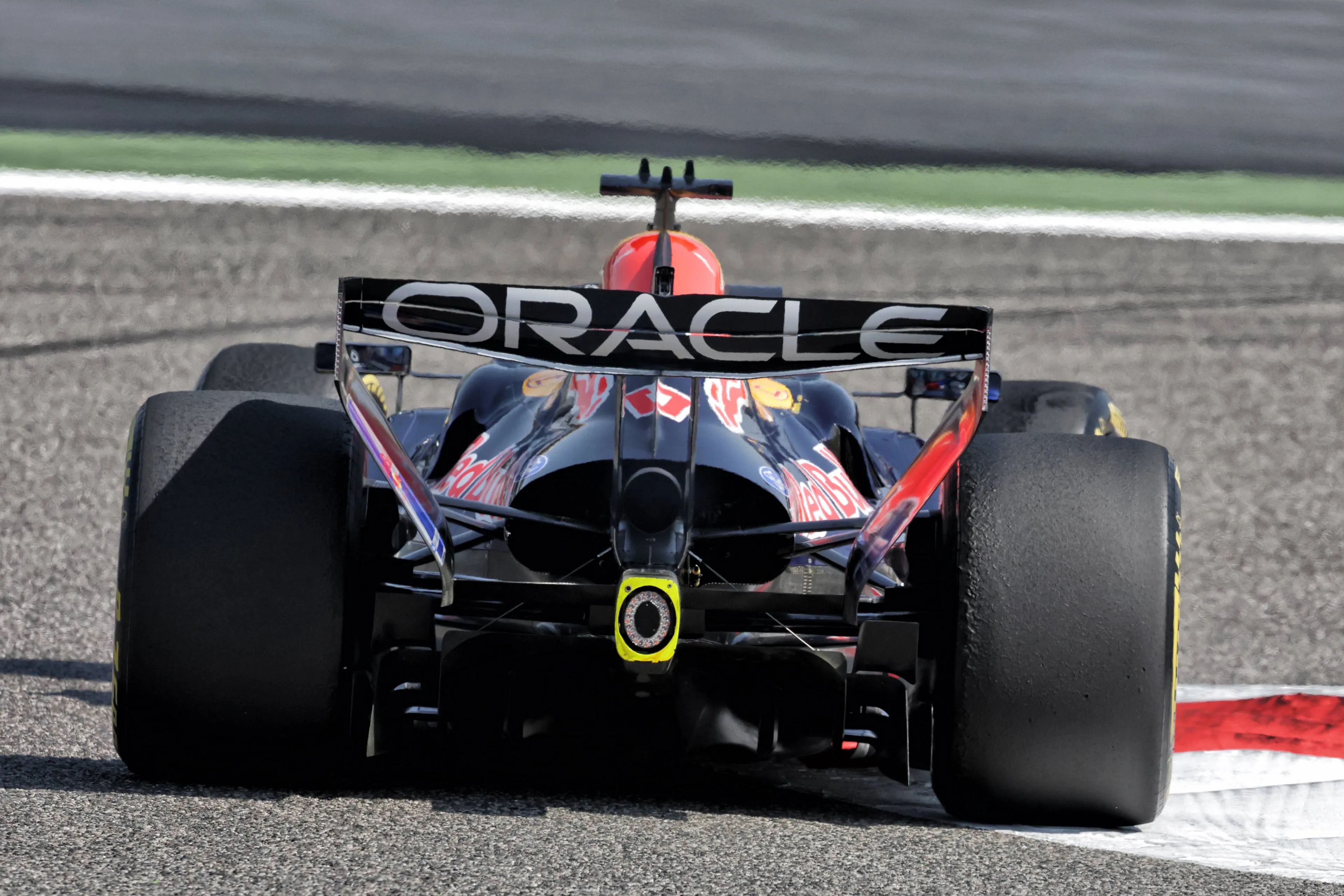
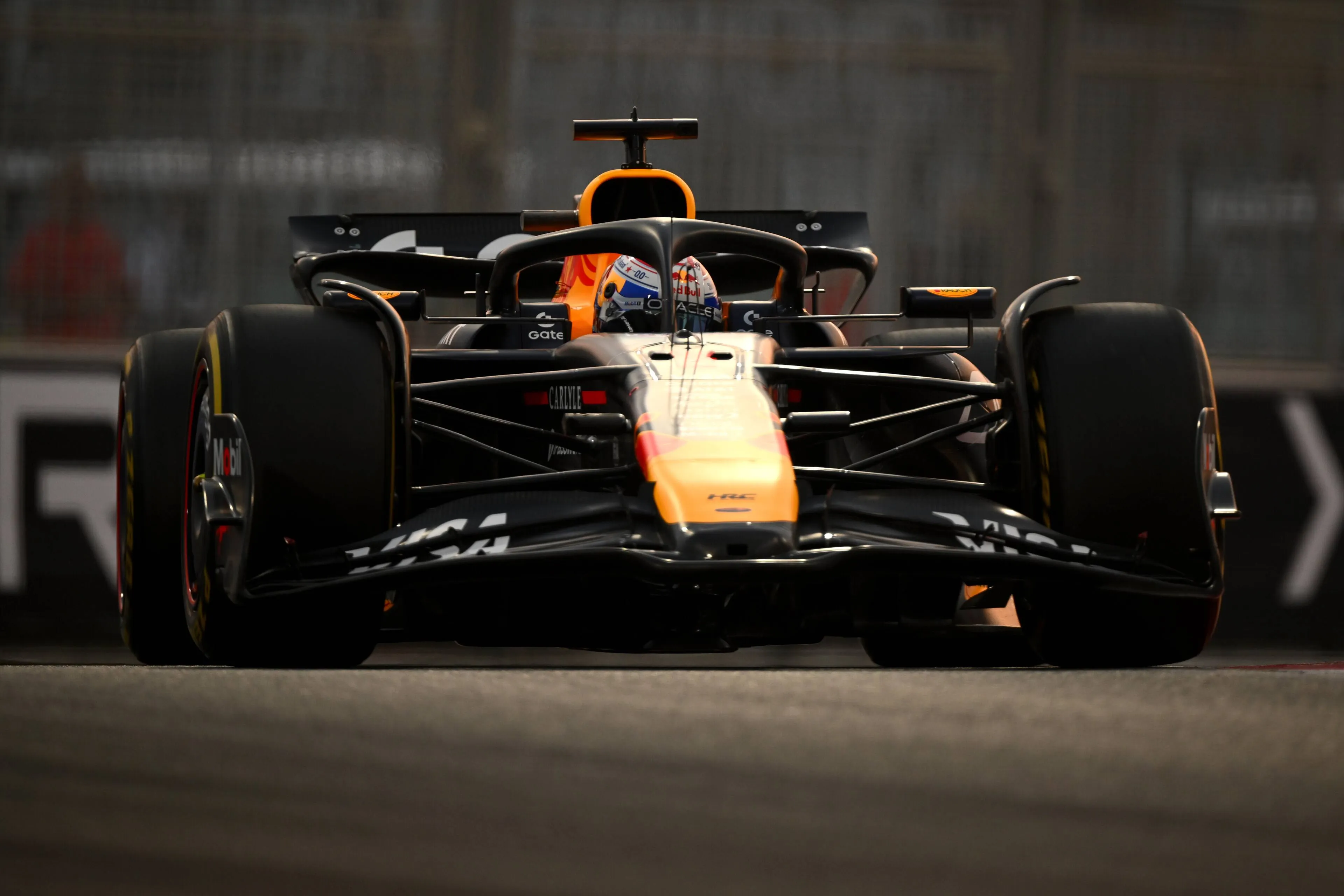
Already in Bahrain, it has become clear that Red Bull have found a way to optimise energy deployment, allowing them to minimise lift-and-coast on the straights. As so often happens at the dawn of a new regulatory era, one team cracks the key headaches first and the rest soon follow, gradually driving the field towards convergence.
It is impossible to say at this stage whether the apocalyptic scenarios previously described will actually materialise on certain circuits, but one thing is certain: Formula 1 can rely on some of the brightest minds in the world to find solutions.
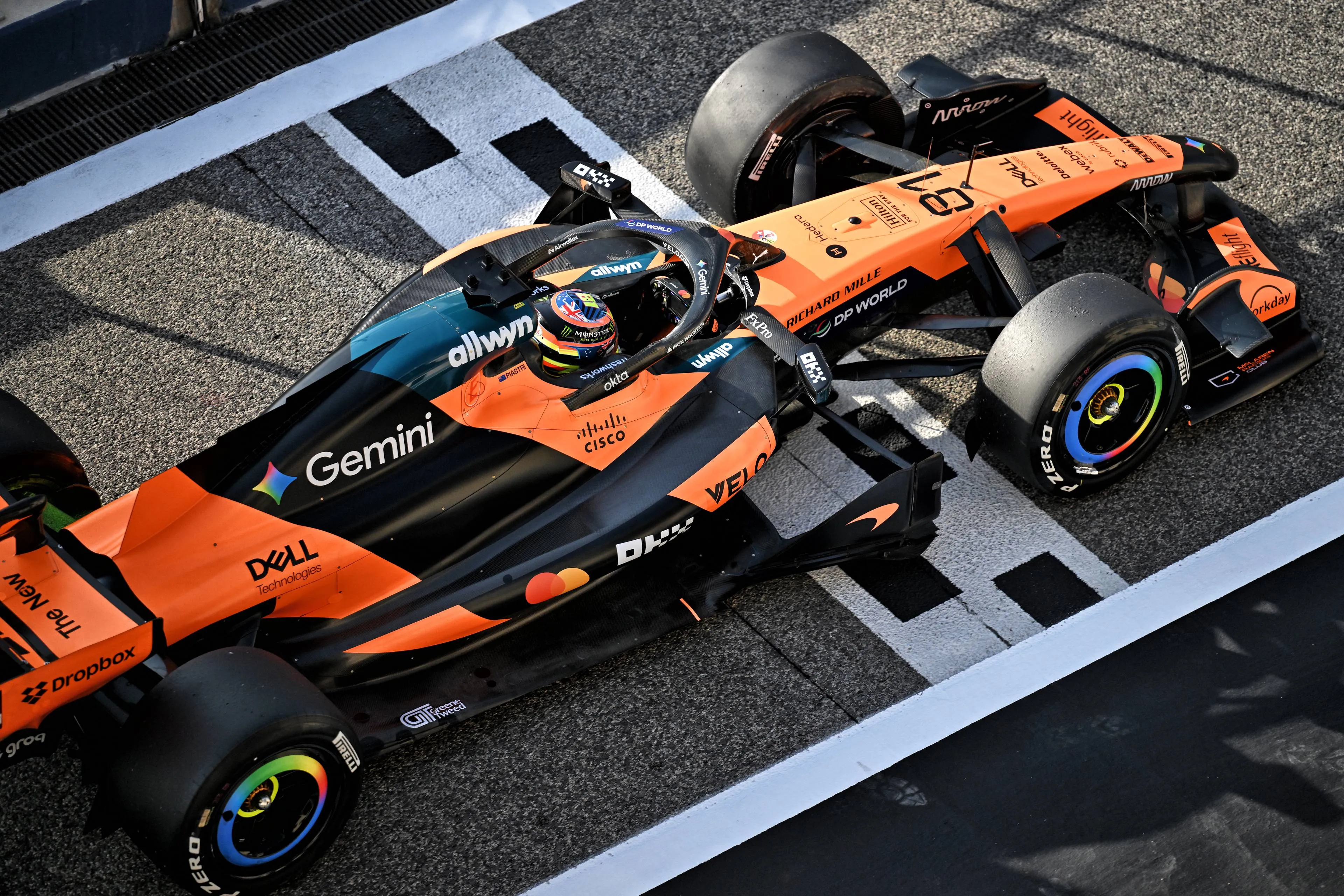
New cars are lighter, narrower and more agile despite the reduction in downforce, and all the ingredients are there for entertaining races packed with overtaking.
If the right balance can also be found in battery optimisation, the recipe will be complete — and perhaps showing a bit more faith before rushing to premature judgments would be no bad thing.
Read also


Popular on GPBlog
Max Verstappen to miss first day of final Bahrain testing with Red Bull
Valentino Rossi's half-brother blames Marc Marquez for Honda underperformance
Red Bull director suggests Mercedes engine 'trick' shouldn't be allowed